‘Circles, Spokes, Zigzags, Rivers’: Grace Rosario Perkins on art, ancestry and urgency at the Whitney
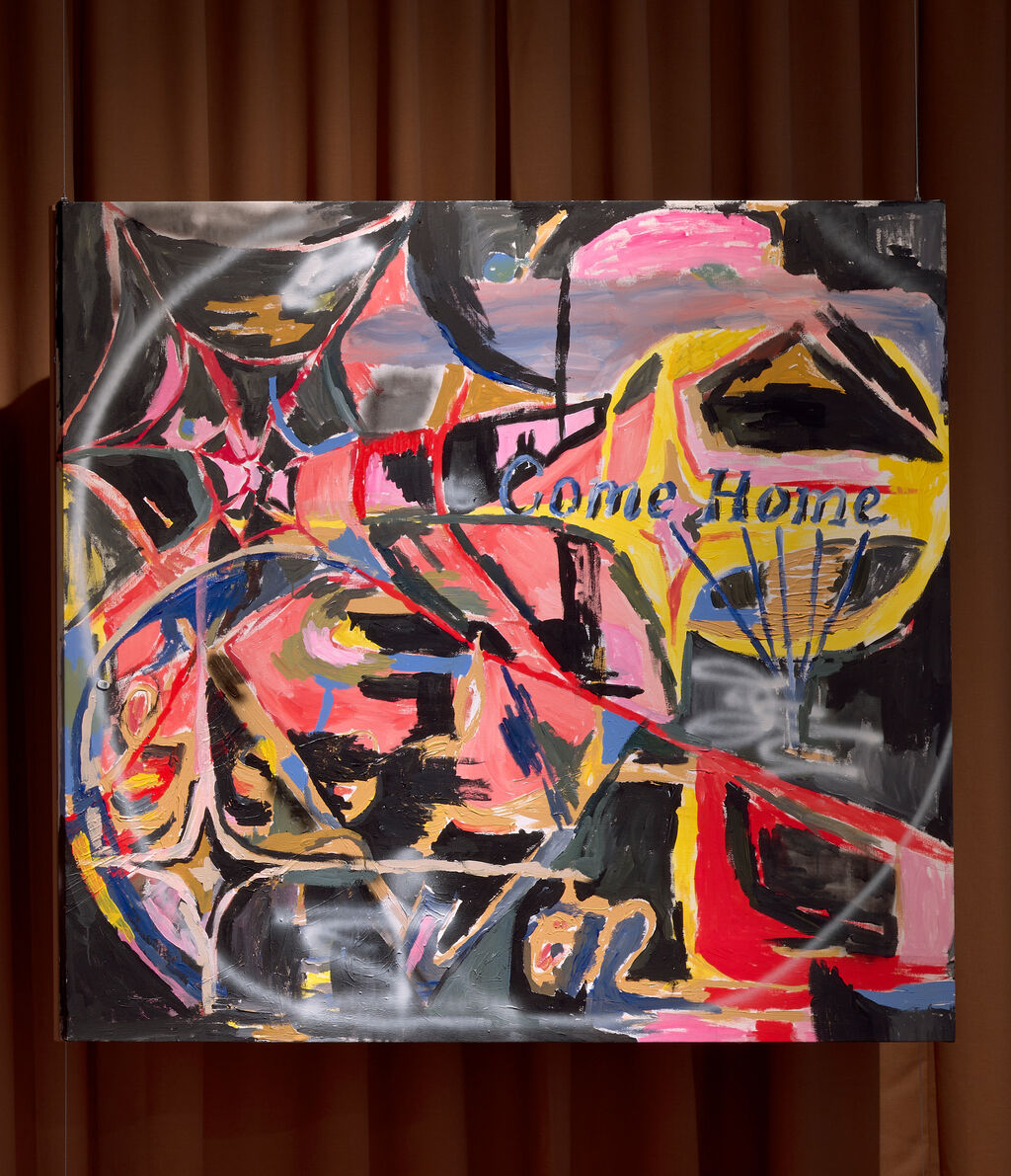
Going Going, 2025. Rosario Perkins says, “I always begin by spray painting words as part of intention setting. I started this painting with ‘Good Person.’ I usually fully redact the words, but the ‘G’ and the ‘-on’ by the starburst form is still visible. ‘Come Home’ is from an ad for a queer resource center in New York in the nineties. It really resonated with me. I’m so far from home. Some days it’s all I can think about—the expanse of the sky and earth in the desert.”
Share
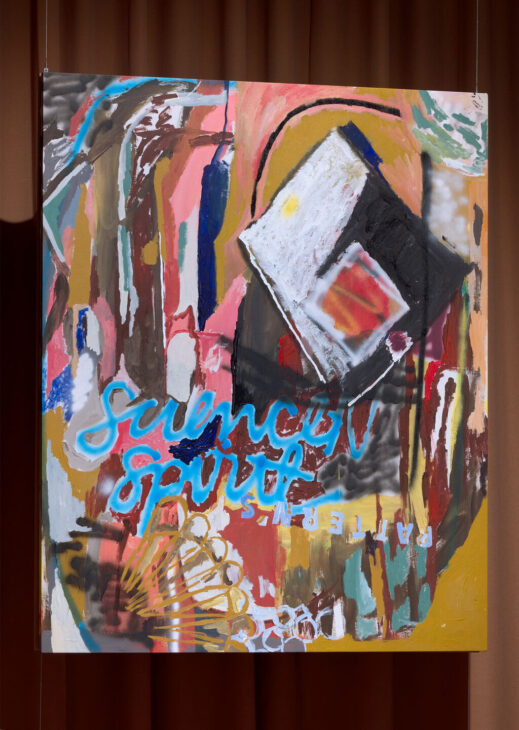
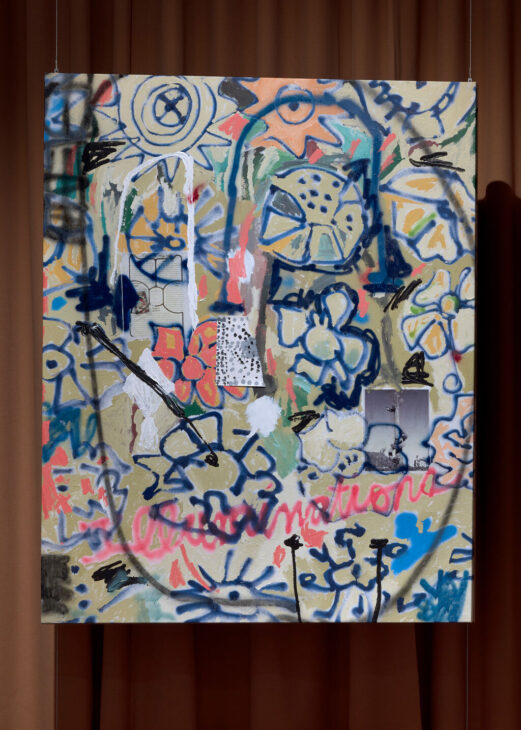
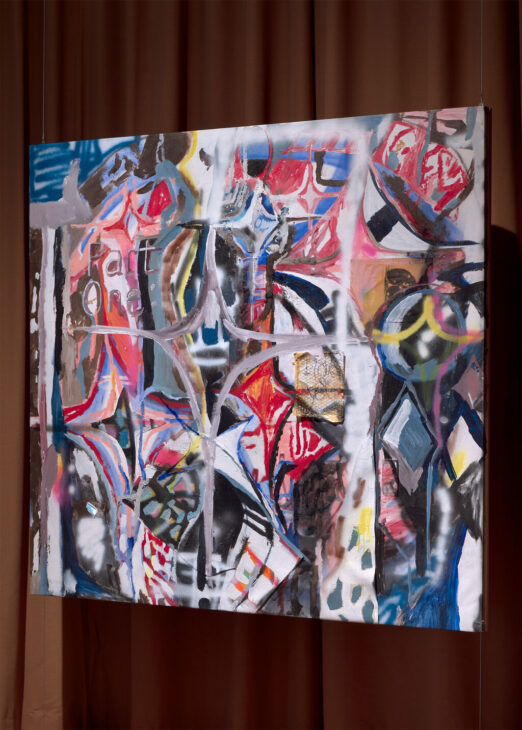
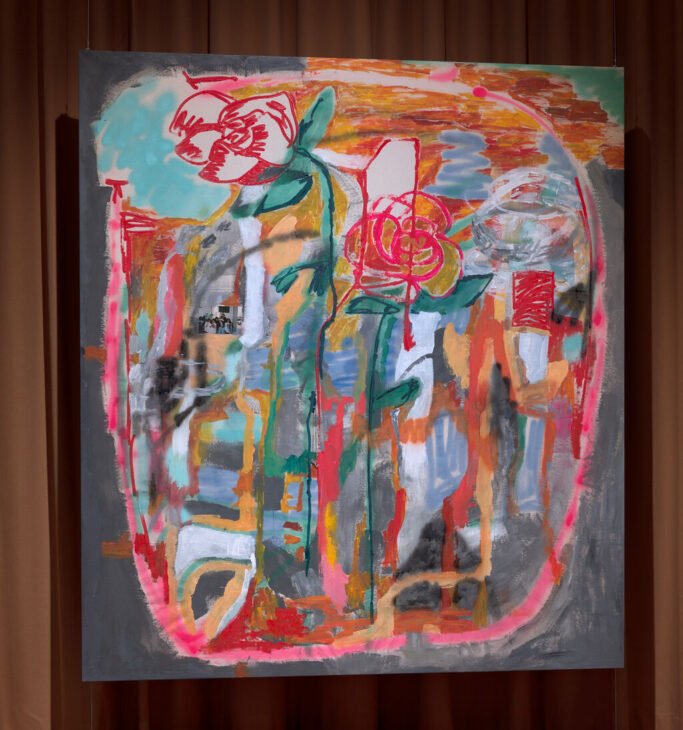
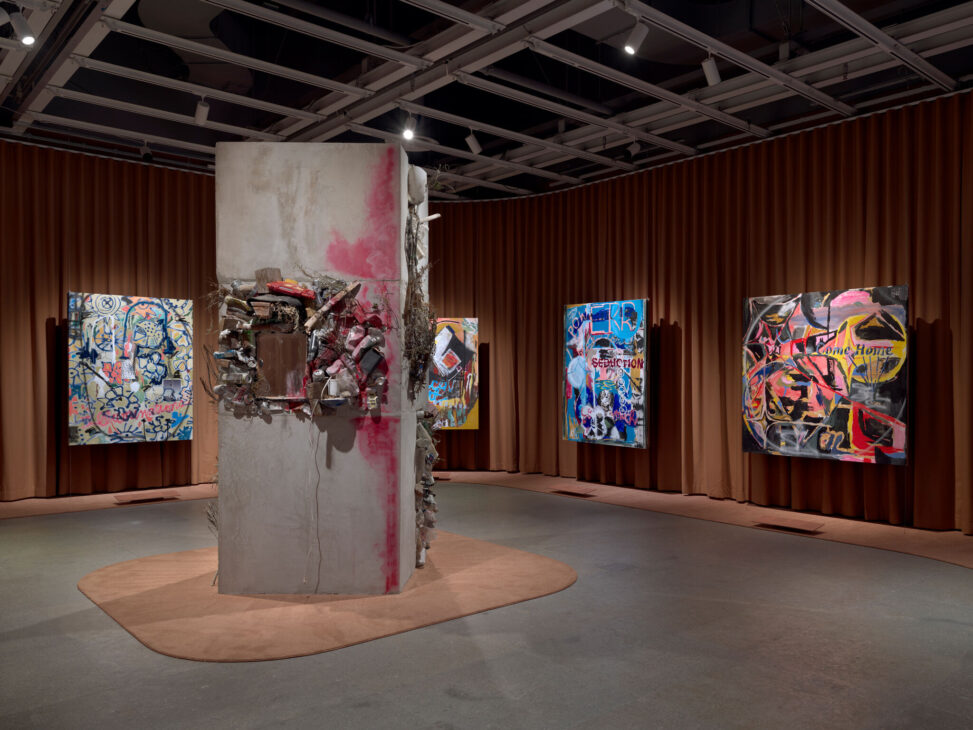
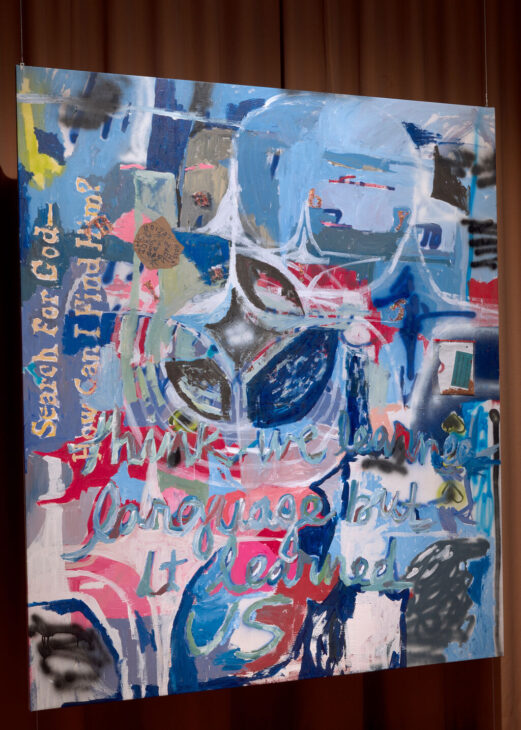
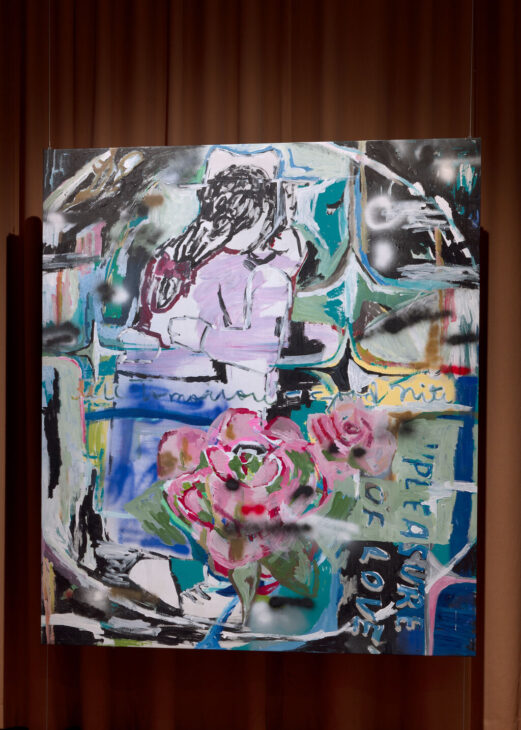
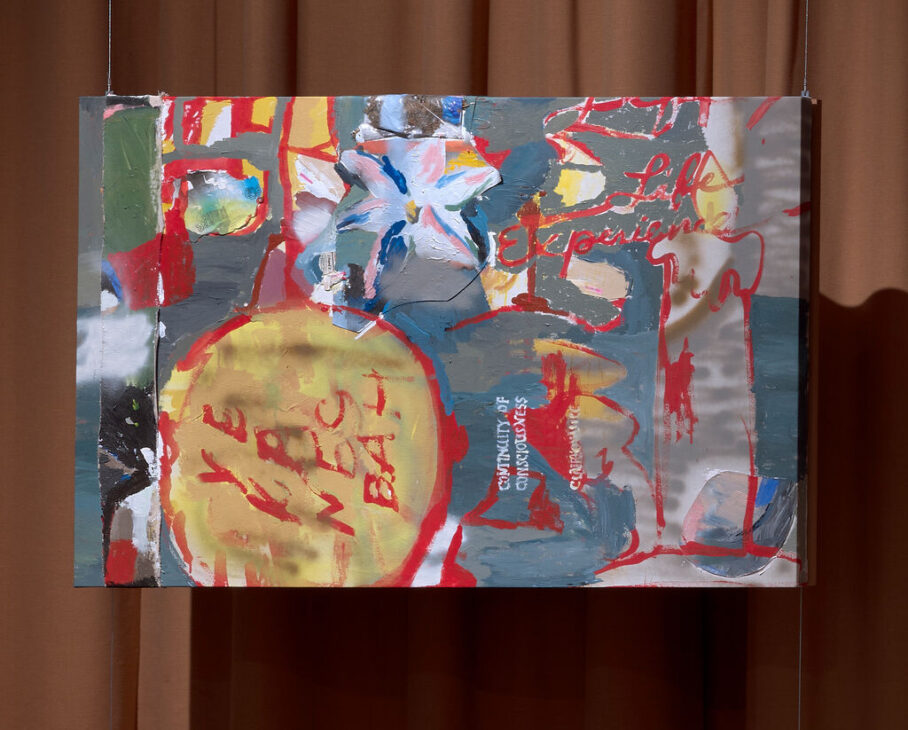
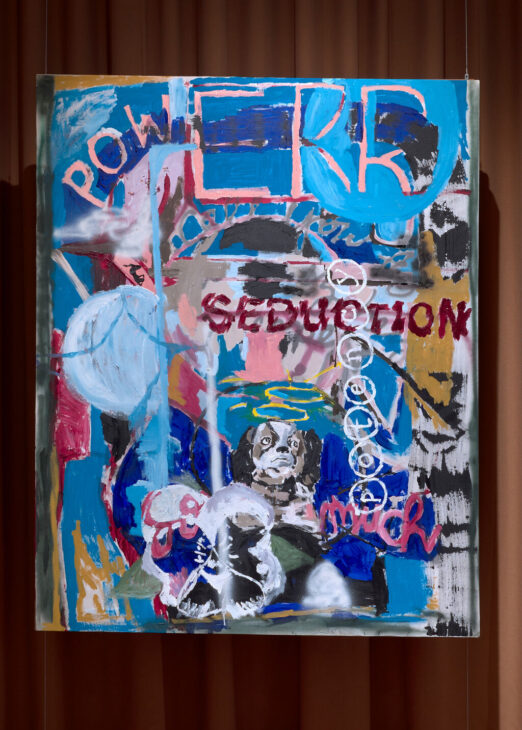
Going Going, 2025. Rosario Perkins says, “I always begin by spray painting words as part of intention setting. I started this painting with ‘Good Person.’ I usually fully redact the words, but the ‘G’ and the ‘-on’ by the starburst form is still visible. ‘Come Home’ is from an ad for a queer resource center in New York in the nineties. It really resonated with me. I’m so far from home. Some days it’s all I can think about—the expanse of the sky and earth in the desert.”Like a Leaf Clings to a Tree, 2023. Rosario Perkins says, “Sometimes I’ll put plant essences in my paint. Plants are our greatest teachers. Flowers are holy. I infused this work with barrel cactus flowers, which are found near my dad’s reservation. I was thinking about how spirituality and science each work within plant medicine, engaging one another. Spirituality is a way of investing in something bigger than yourself, and there’s a science to it and it’s based on love. You don’t work with spirit to have anything else, you know?”Lets Go Back To That Magic Place That Only You and I Have Seen (Illuminations), 2023. Rosario Perkins says, “The flower, star, and sun shapes are based on petroglyphs from my dad’s reservation. They feel like anchors able to hold a lot of information. For a few years I’ve been working with things from my life’s archive. Here, parts of paintings from children I taught, transparencies from my performances in San Francisco, found notes, and a childhood photo of me with Santa Claus. I tagged ‘Illuminations’ with the same cursive font used on my copy of Arthur Rimbaud’s poetry collection.”Now I’m Makin Money and It’s Good To Be Single, To Mingle With the Ladies While Their Earrings Jingle, 2023. Rosario Perkins says, “This work had an urgency to it. Its title is a lyric from the rap group Double X Posse’s ‘Not Gonna Be Able to Do It,’ which I listened to when my uncle became ill. He was a father figure to me. I collected the material for this painting when he was dying in the hospital’s ICU, including a love note my niece handed me, a mirror, datura seeds, and fake eyelashes. Grieving is an important teacher. Painting helps move the energy of grief.”Cheii Knew We Were in The White World, 2022. Rosario Perkins says, “This is the earliest work in the exhibition. It was made in honor of my grandfather (Cheii in Diné) and is about transformation. I’ve lost him and other family members in the photo, and with life and loss comes familial healing and responsibility. This painting was the first time I used found materials: a simple necklace reads ‘GIRLS.’ It honors myself, my sisters, my cousins, my girlfriends and how we protect and love one another in this white world.”When I See A Mountain I Want 2B A Stone, When I See Her Hand, I Want 2B A Bone, 2025. Rosario Perkins says, “This new sculpture is made with collected trash and bottles found near my places of home: the Gila River Indian Reservation and the Navajo Nation outside of Gallup, New Mexico. The remnants of addiction that weigh on my communities are placed in concrete and stacked with plants that represent the region as well as being medicinal and healing. It’s a kind of pillar or altar, an object that holds both joy and grief. Art making is spell making.”I Left Those Stories You Made Up Underneath Some Black Cohosh so I Could Reclaim My Power! Beat it, Magickiller!, 2025. Rosario Perkins says, “Being a painter, I’m continually learning a language, and the language of abstraction grows naturally through intuition and being present in my body. This includes textual language. Here there is some intuited text and also religious mottos. There’s something about taking these phrases and radicalizing them, not just as didactic and dogmatic bits of information but as open-ended poetry. One hundred people will read a poem and there will be one hundred different meanings. The question is: What do you see?”Dishes in the Sink n Roses n AVON n Your Ring, 2025. Perkins says, “During the pandemic, I asked my grandmother to keep a diary. After listing her activities, she would sign off in wiry cursive: ‘I love you, Grace,’ ‘I can’t wait for things to be normal again,’ or as seen here, ‘Til Tomorrow – good nite.’ Two figures are enclosed by stars and roses, and ‘Pleasure of Love’ is from a Tom Tom Club bootleg band T-shirt I gifted my grandmother and she wore simply because I made it.”Going After It and Getting It!, 2023. Rosario Perkins says, “This work’s title references Yekanesbah, the name my grandma gave me. She translated it as ‘Going after it and getting it.’ I’m always working with things from my life’s archive. There’s a candle in reference to my spiritual practice and bits of paper from a library recycling bin, fashion ads from classified magazines I found during a residency in Maine and a fern frond encased in plastic, as well as sections of my old paintings.”Disposition 2 Long Orange Finger Nails, 2024. Rosario Perkins says, “I made this in my bedroom after I moved from Albuquerque to New York City. I had begun herb school and giving intuitive readings. Both require a deep dive into what power and agency mean. ‘Seduction’ came from a rave flyer, and this was my first time painting a dog, after I found dog-themed bingo cards on the street. The painting celebrates what it means to embrace my power as someone who is queer, Native, and feminine.”
Ten of Rosario Perkins’ works — nine paintings, one sculpture — are on display, each with a personal connection to the artist. For the Whitney, Rosario Perkins gave a brief commentary on each work, which you can read in the gallery above.
“This work had an urgency to it,” Rosario Perkins says in one example the elaborately titled Now I’m Makin Money and It’s Good To Be Single, To Mingle With the Ladies While Their Earrings Jingle. “Its title is a lyric from the rap group Double X Posse’s ‘Not Gonna Be Able to Do It,’ which I listened to when my uncle became ill. He was a father figure to me. I collected the material for this painting when he was dying in the hospital’s ICU, including a love note my niece handed me, a mirror, datura seeds, and fake eyelashes.
“Grieving is an important teacher. Painting helps move the energy of grief,” she adds.
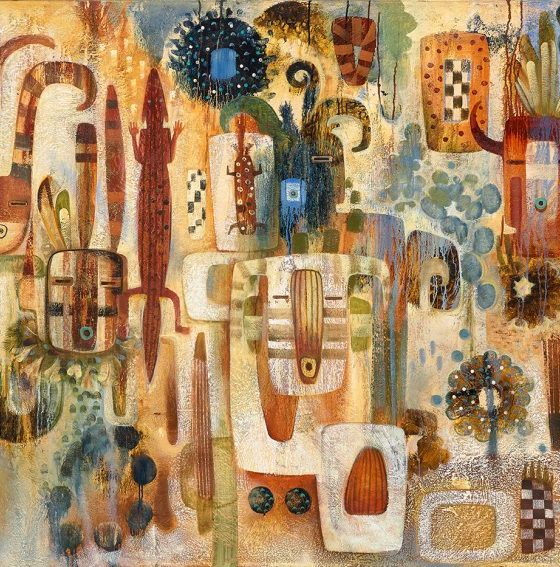
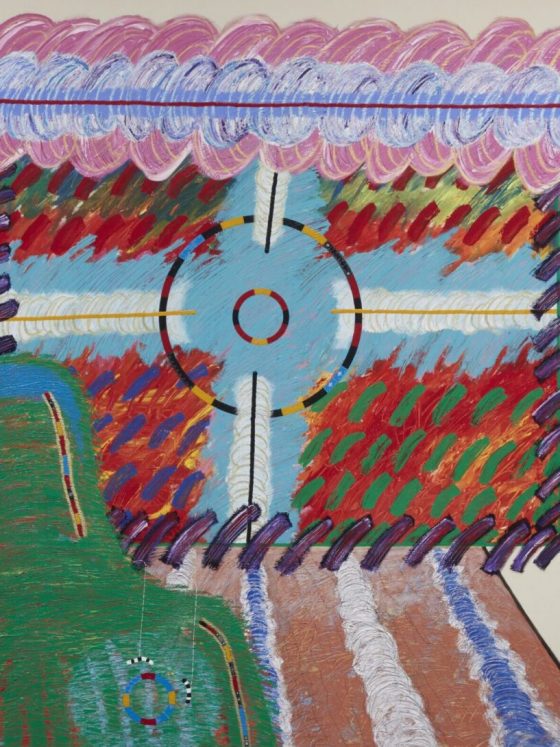
“Circles, Spokes, Zigzags, Rivers” connects Rosario Perkins’ family to her tribal homelands in the southwestern United States, including the vital, yet threatened, waters of the Gila River and Rio Grande. The influence of such longstanding technologies of visual storytelling is evident in Perkins’s symbol-rich art. Flowers, stars, the sun, and spider webs are given significant presence within the systems the artist creates to record her life.
Rosario Perkins builds the surfaces of her densely layered paintings with acrylic and spray paint, found materials, personal belongings, and textual fragments through a process of addition and redaction. Guided by intuition, diaristic encounter, a do-it-yourself ethos, spirituality, and plant medicine, the artist references popular and material culture as they converge with more intimate reflections on grief, love, and hope. By working in abstraction, she resists reductive representations of Indigenous identity, instead offering an expansive vision rooted in both ancestral knowledge and the urgencies of now.
The exhibit runs at the Whitney until February 8. For more information on the exhibit, click here.