
Deadline approaching for Walker Youngbird Foundation’s Emerging Native Arts grant
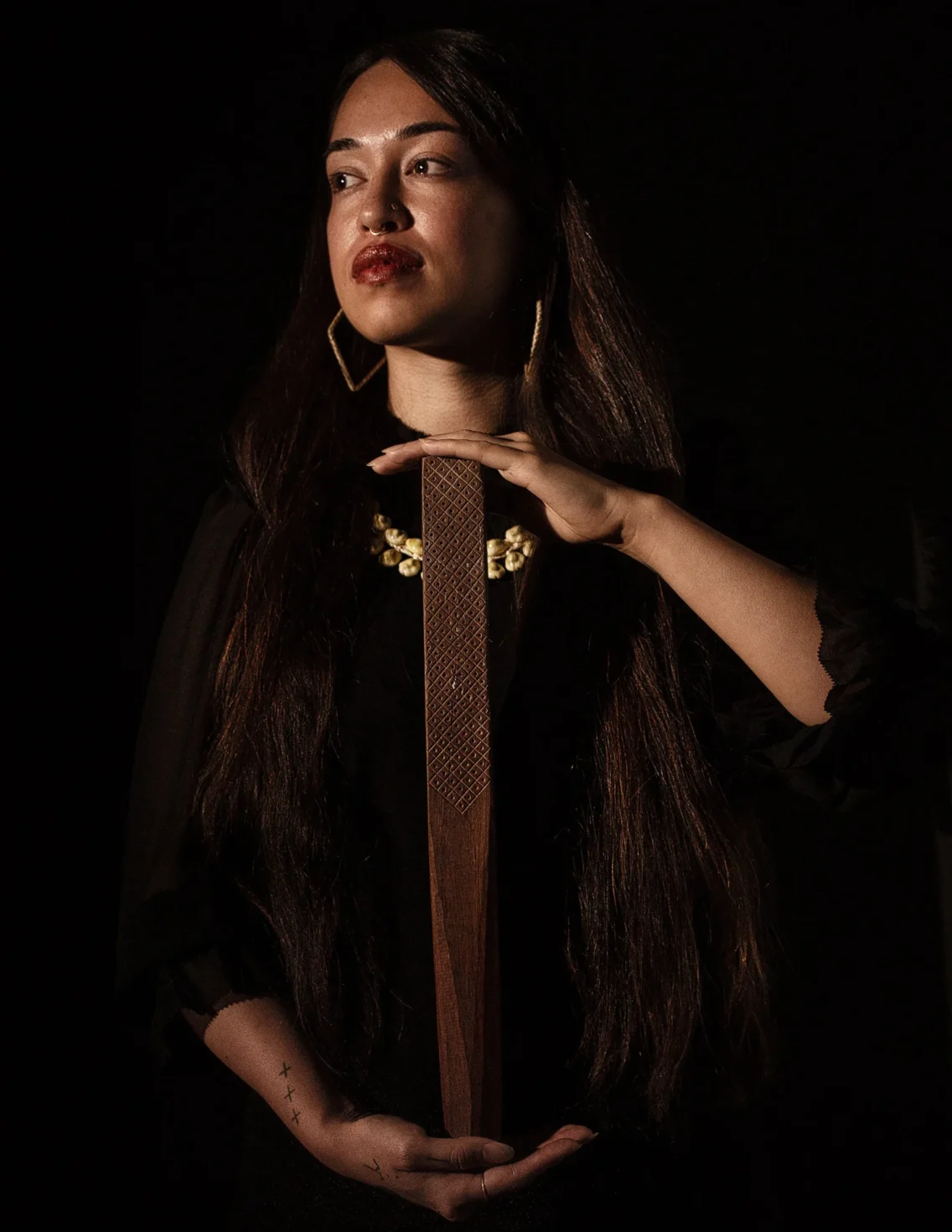
January 9 is the deadline to apply for a $15,000 grant for early-career Native artists working across multiple disciplines.
The Emerging Native Arts Grant, given by the Walker Youngbird Foundation, was created to support budding Native artists who honor tradition while charting the future of contemporary Indigenous art. Awarded twice annually, the grant provides funding, mentorship, and a curated showcase to artists at a critical stage in their development—offering them the resources and visibility they need to take bold next steps in their creative journeys.
The Emerging Native Artist Grant is designed to support a proposed project that results in work that can be shared publicly, whether through exhibition, installation, publication, or other visual presentation.
The Walker Youngbird Foundation welcome applications from artists who are exploring the intersection of tradition and innovation, and whose work reflects a commitment to cultural integrity, creative experimentation, and contemporary relevance.
Artists working in the following areas are encouraged to apply: 2D visual arts (painting, drawing, photography, printmaking, mixed media); 3D visual arts (sculpture, ceramics, installation); time-based media (short video, sound art, digital works); multidisciplinary arts (work that combines multiple forms or approaches); and traditional arts (beadwork, quillwork, textile, carving, and other culturally-rooted practices with an innovative approach). The grant does not support performing arts such as musical composition, musical performance, screenplays, or full-length film/video projects.
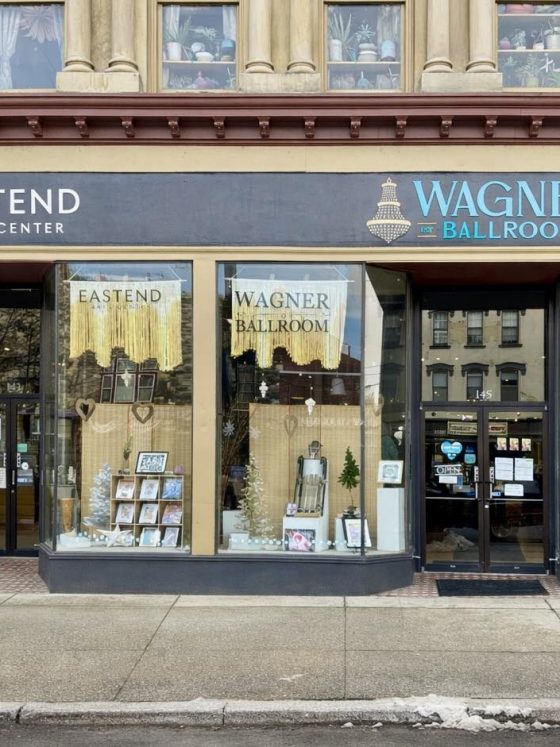
Last spring, the Emerging Artists Grant was awarded to Native Hawaiian artist Lehuauakea, who applied the funding toward a solo exhibition in New York City. The exhibition featured large-scale kapa (Hawaiian barkcloth) textiles and wearable installations. Their practice revitalizes the endangered art of kapa-making while expanding it through embroidery, natural pigments, and contemporary installation—bridging ancestral knowledge and modern expression.
“By incorporating mixed-media and storytelling into kapa, I hope to sustain the practice in ways that resonate with younger generations and extend its relevance beyond Hawaiʻi,” Lehuauakea said in a press release.
A link to the application can be found here.