Largest display of Australian Indigenous art arrives in D.C.
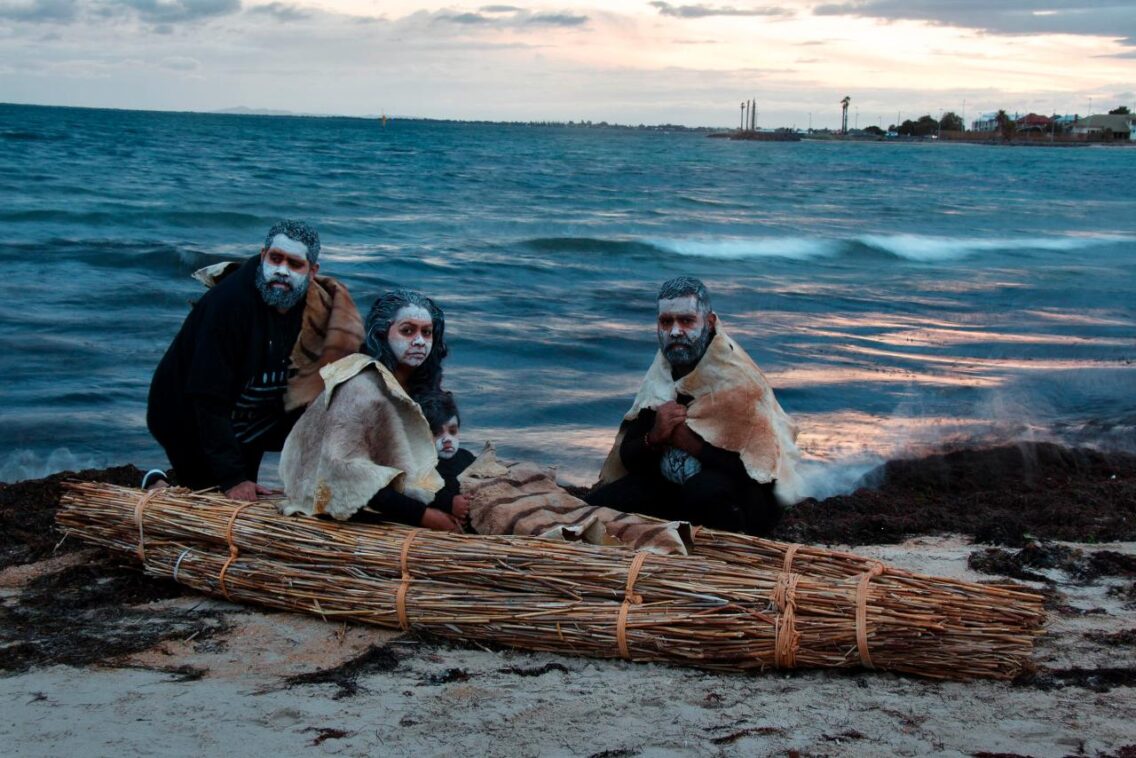
“The Stars We Do Not See: Australian Indigenous Art,” one of the largest exhibitions of Aboriginal and Torres Strait Islander art ever shown outside Australia, is now exhibiting in Washington, D.C. before it travels to three other American cities at the end of its run there.
The wide-ranging exhibit comes from a historic collaboration between the National Gallery of Art in Washington, where it is on view, and the National Gallery of Victoria in Melbourne, Australia. The two cultural entities have entered into a long-term partnership that will see major works exchanged between the two institutions, expanding international access to their permanent collections.
The exhibition opened in November at the NGA and runs through March 1 before traveling to the Denver Art Museum, the Portland Art Museum, and the Peabody Essex Museum.
Curated by Myles Russell-Cook, artistic director and CEO of the Australian Centre for Contemporary Art and a former senior curator at the NGV, the exhibition brings together nearly 200 works by more than 130 artists. Drawn exclusively from the NGV’s collection, many of the works have never previously left Australia. Together they trace the development of Indigenous Australian art from the late 19th century to the present.
In a reciprocal exchange, the National Gallery of Art plans to send an exhibition of modern and contemporary American art from its collection to Melbourne in 2027.
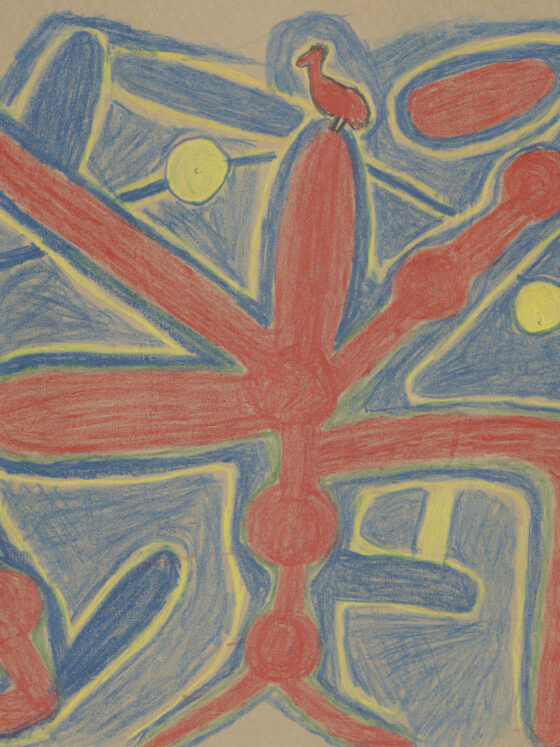
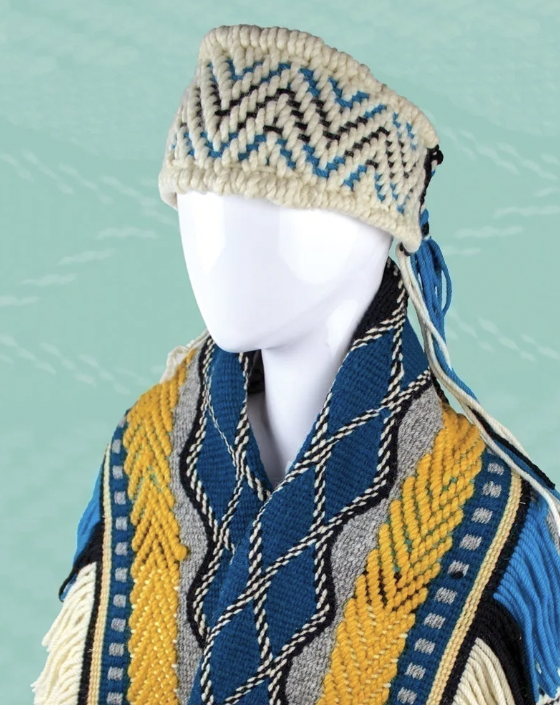
The exhibition surveys a wide range of artistic practices, including Central and Western Desert map paintings, bark paintings, sculpture, jewelry, and large-scale weavings, alongside contemporary works in video, sound, photography, and installation. Artists represented come from more than 250 Indigenous nations across the Australian continent, including Arnhem Land, the Tiwi Islands, the Kimberley, Far North Queensland, the Torres Strait, and the Central Desert.
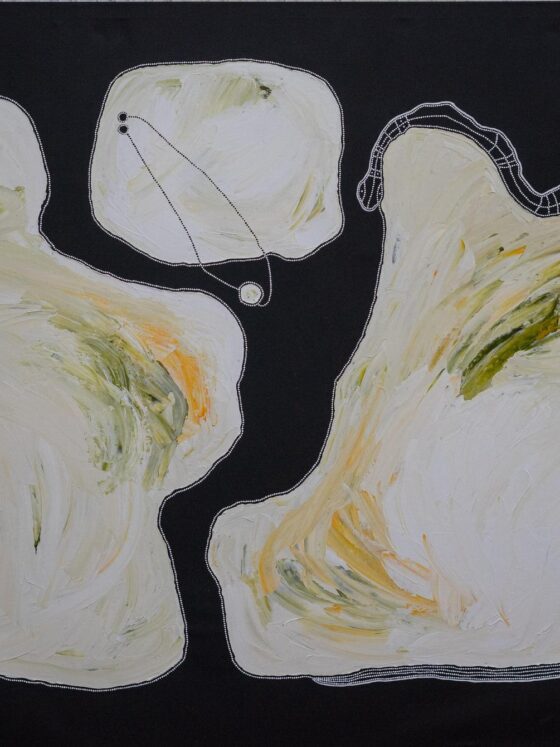
Among the highlights is Emily Kam Kngwarray’s Anwerlarr Anganenty (Big Yam Dreaming)” (1995), her largest painting and a cornerstone of the NGV collection. Measuring more than nine by 26 feet, the work depicts an underground yam network rendered in a single continuous line and will be shown in North America for the first time.
The exhibition takes its title from the work of Yolŋu artist Gulumbu Yunupiŋu, known for her paintings of the night sky. In her compositions, crosses represent visible stars, while dense fields of dots suggest stars beyond human sight. Yunupiŋu, who lived in the Arnhem Land community of Yirrkala, is among the artists featured.
Contemporary urban-based artists are also prominently included, among them Brook Andrew, Richard Bell, Reko Rennie, Ricky Maynard, Maree Clarke, and Lorraine Connelly-Northey. Works range from Christian Thompson’s four-channel sound installation “Burdi Burdi (Fire Fire)” (2021), which addresses the loss of First Nations languages, to Destiny Deacon’s “Snow Storm” (2005), a sculptural installation critiquing museum display practices.
Victoria Premier Jacinta Allan said the state supported the exhibition as a way to share the histories and cultures of Australia’s First Peoples with international audiences.
Russell-Cook described the exhibition as an effort to convey the depth and continuity of Indigenous cultural knowledge, noting that art has long served as a means of transmitting history, law, and story. While no single exhibition can encompass the full diversity of Indigenous Australian art, he said, the project reflects a significant collaborative effort to broaden understanding of First Nations culture globally.
For more information, go here.