
Native North America Gallery makes grand opening at Penn Museum
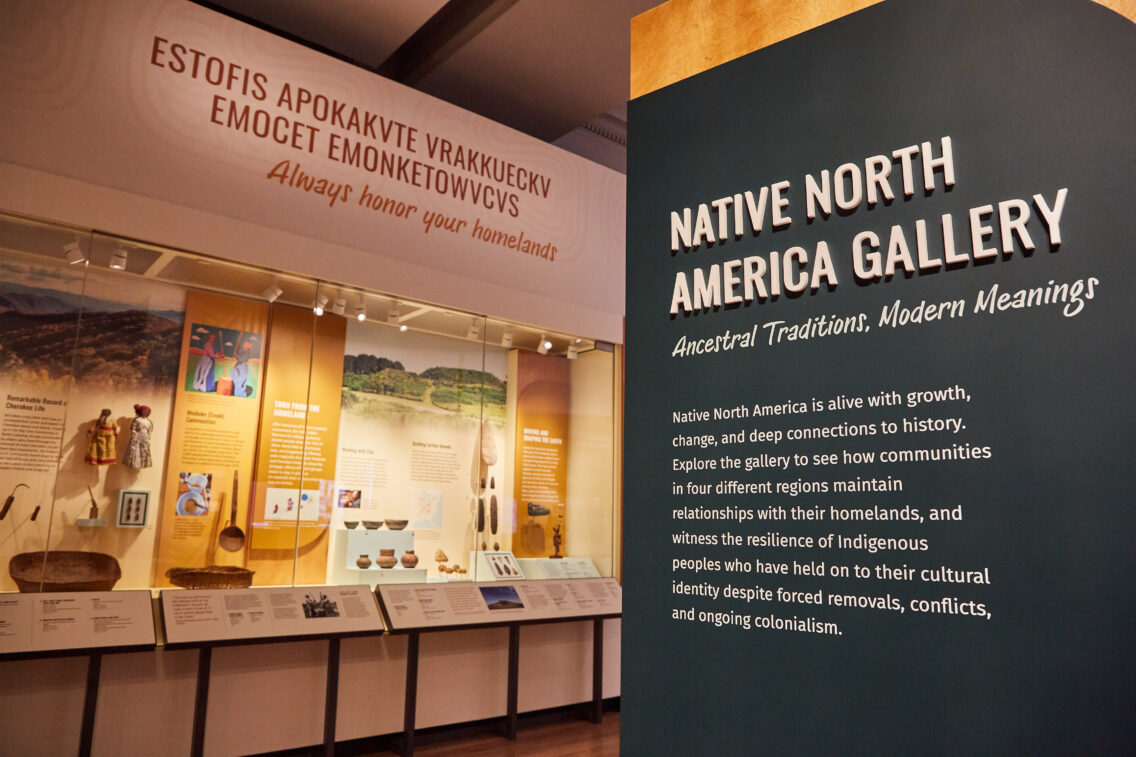
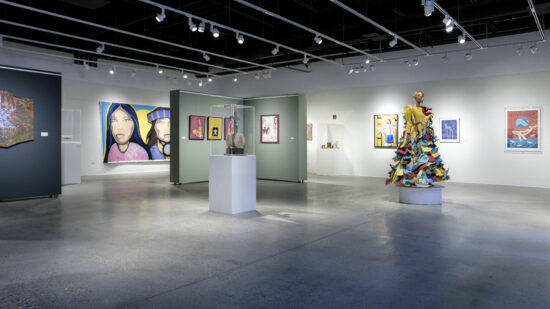
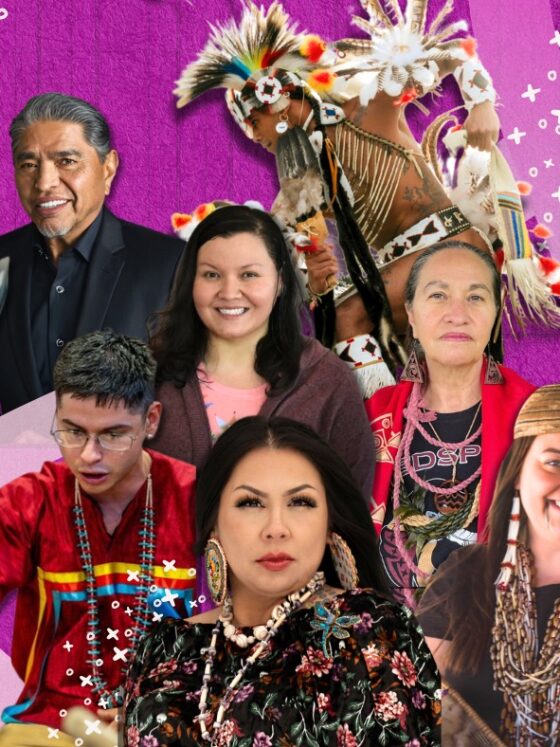
The Penn Museum’ s newly opened Native North America Gallery marks a major expansion of its long-running collaborations with Indigenous experts. Developed with eight Indigenous consulting curators, the 2,000-square-foot, multi-sensory gallery reframes Native American histories by centering stories of cultural continuity, resilience, and self-determination.
The gallery, which opened its doors November 22, highlights both the deep histories of Native peoples and the contemporary creativity and challenges that define Indigenous life today. More than 250 archaeological, historic, and modern items from the museum’s collections will be featured, with periodic rotations to support conservation and offer visitors new perspectives.
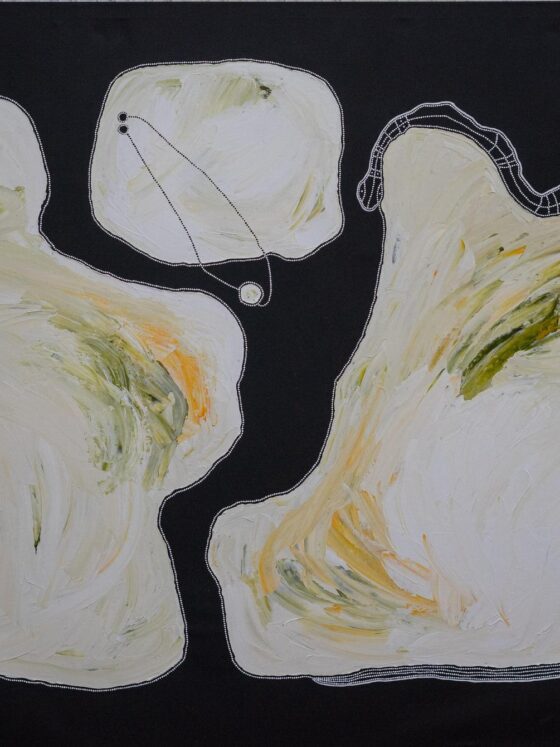
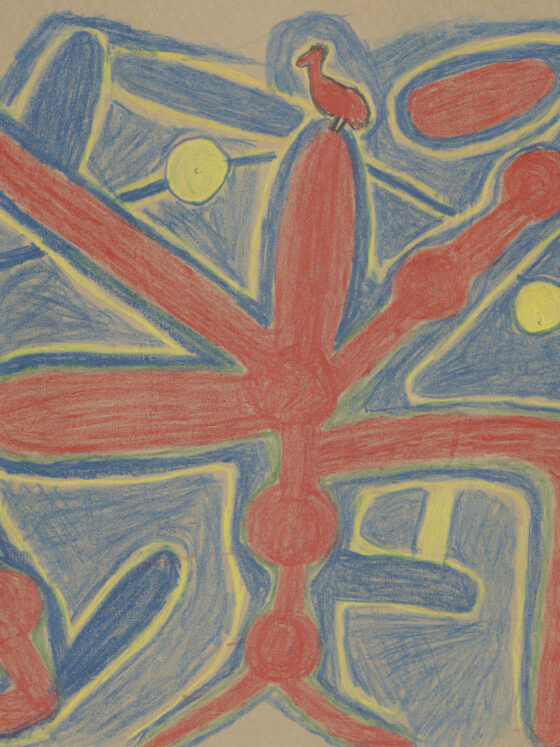
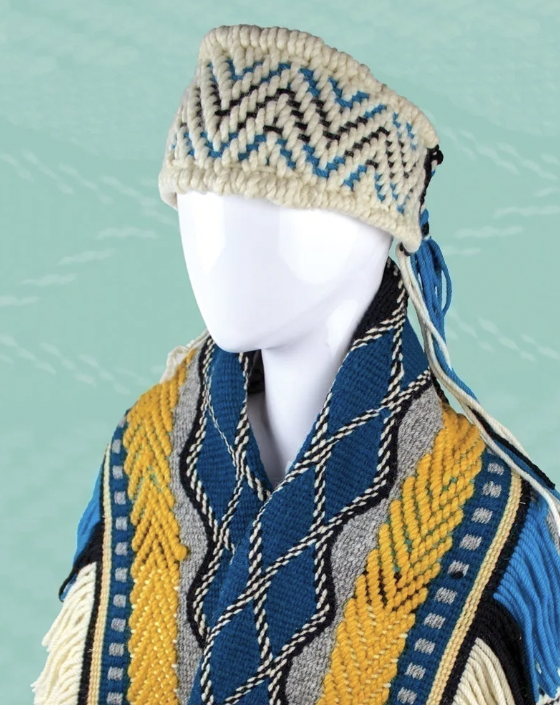
Objects range from some of the museum’s oldest holdings—projectile points dating to 9500 BCE from a 1936 Clovis, New Mexico excavation—to newly commissioned works, including Parceled Space #2 by Cherokee artist Brenda Mallory. Immersive elements such as first-person video, interactive stations, and the inclusion of Native languages aim to create a visitor experience shaped by Indigenous voices.
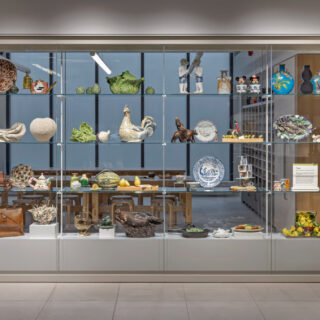
A prominent empty display case greets visitors at the gallery’s entrance, symbolizing repatriation and Native authority over cultural heritage. “The inclusion of an empty display case is a deliberate intervention—not an act of censorship,” said Dr. Joseph Aguilar, Tribal Historic Preservation Office Board Member for San Ildefonso Pueblo and a consulting curator. “In its absence, the object becomes an act of Indigenous sovereignty.”
The exhibition builds on the museum’s previous decade-long show Native American Voices: The People—Here and Now. Dr. Lucy Fowler Williams, Co-Curator and Associate Curator-in-Charge of the North American Section, said the new gallery brings together archaeology, traditional knowledge, nuanced histories, and art from four U.S. regions.
“Working closely with our Native colleagues over a two-year period has been an honor,” she said. “Their insights bring new life to our collections and deepen public understanding of enduring Native American ideas and perspectives.”