
Rare 1945 Aboriginal drawings revealed in Perth Festival exhibition
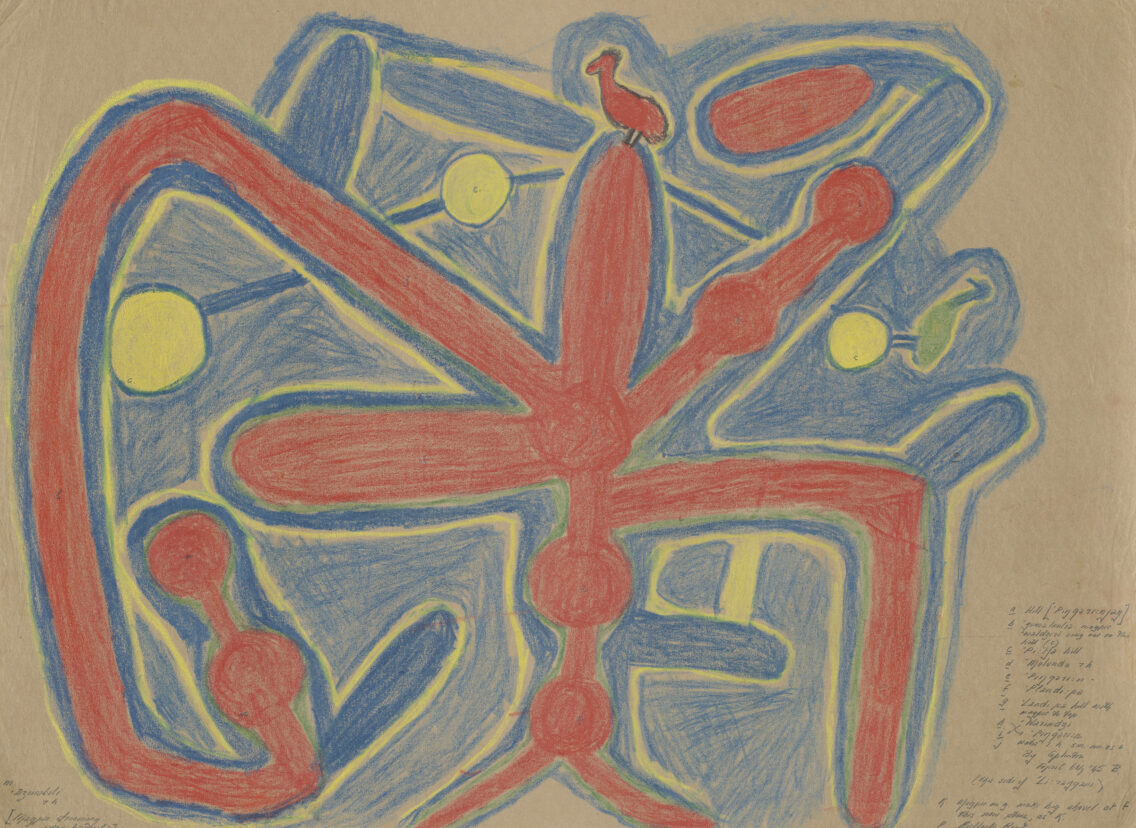
A remarkable collection of 1945 Aboriginal drawings, created decades before the rise of the Western Desert art movement, will go on public display for the first time next week in a major exhibition at Lawrence Wilson Art Gallery in Perth.
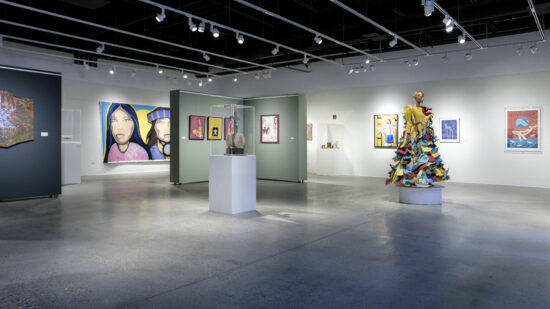
“Birrundudu Drawings,” presented as part of this year’s Perth Festival and curated by the Berndt Museum, runs now until April 4. The exhibition tells the story of 16 Aboriginal men from diverse cultural and linguistic groups across Western Australia and the Northern Territory who worked at Birrundudu Station on the WA–NT border in 1945.
Over three months, the men produced 810 wax crayon drawings on paper, commissioned by anthropologists Ronald Berndt and Catherine Berndt. Using an unfamiliar medium, they documented extensive knowledge of Country, ancestral creation stories, ceremony, and regional histories.
This exhibition will showcase over 100 of these works on paper, none of which have been exhibited before, as well as a contemporary response by Jimmy Tchooga.
Created 25 years before the emergence of the Western Desert art movement at Papunya in 1971, the drawings challenge conventional timelines of contemporary Aboriginal art and demonstrate the vibrancy and depth of desert cultural expression well before Papunya Tula painting gained national attention.
The exhibition follows four years of collaborative research involving more than 40 cultural authorities, descendants, academics and museum professionals. Researchers travelled to communities including Balgo, Billiluna, Halls Creek, Kalkarindji, Lajamanu, Yuendumu and Mparntwe (Alice Springs) to reconnect families and communities with the archive.
Robert McKay, grandson of Birrundudu artist Paddy Padoon Jangala, said his family had been unaware of the drawings. “We didn’t go looking for them. It’s like they came looking for us,” he said in a museum release.
The exhibition coincides with the 50th anniversary of the Berndt Museum, now an Indigenous-led cultural institution within the School of Indigenous Studies at The University of Western Australia.
Museum Co-directors Jessyca Hutchens and Stephen Gilchrist described the collection as one of the most extraordinary archives of Indigenous knowledge held in any Australian museum.
“The re-engagement with these drawings has been actively shaping how we think about significant collections of Indigenous peoples’ cultural heritage, how we should work with them and where we should be going,” Hutchens said in a museum release.
Gilchrist said the creators had produced an immense gift of shared and overlapping cultural knowledge and custodial responsibility at a time when much was being “rapidly and deliberately dispersed and destroyed”.
“Now, their descendants and communities can bring story, song, place and ceremony back to life,” he said.
The gallery is open Tuesday to Saturday, 11am to 4pm, and admission is free. For more information, click here.