
Smithsonian’s ‘Bison: Standing Strong’ exhibit explores the enduring legacy of America’s national mammal
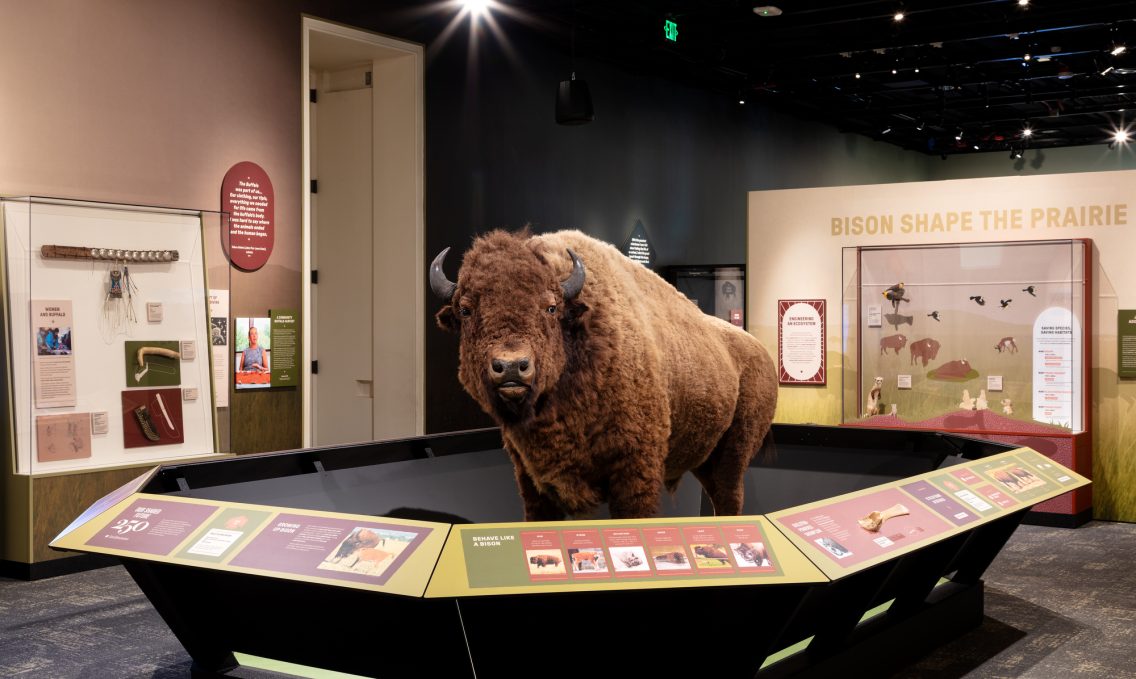
A new exhibition at the Smithsonian National Museum of Natural History is bringing visitors face to face with one of North America’s most iconic animals while tracing its deep cultural and ecological significance across thousands of years of history.
“Bison: Standing Strong,” opening May 7 on the National Mall in Washington, commemorates both the nation’s 250th anniversary and the 10th anniversary of the American bison being named the national mammal of the United States. The exhibition will remain on view through May 2029.
The exhibit explores the story of bison from their ancient origins and relationship with Indigenous peoples to their near extinction in the late 19th century and the ongoing efforts to restore their populations and prairie ecosystems.
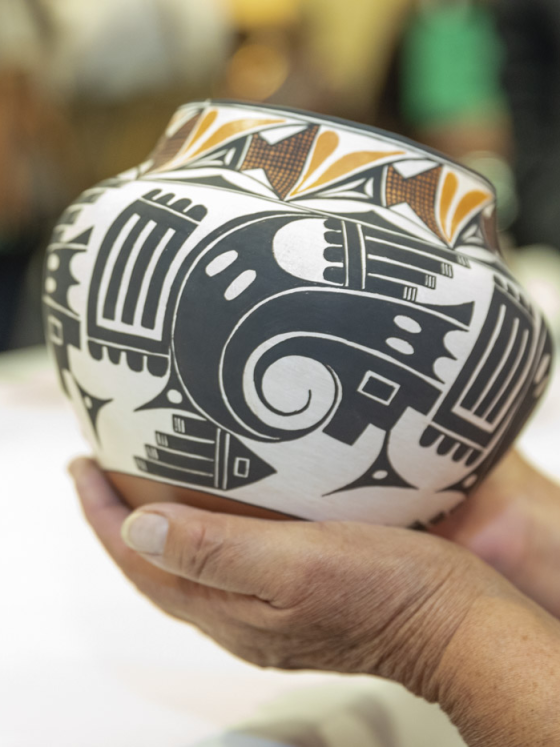
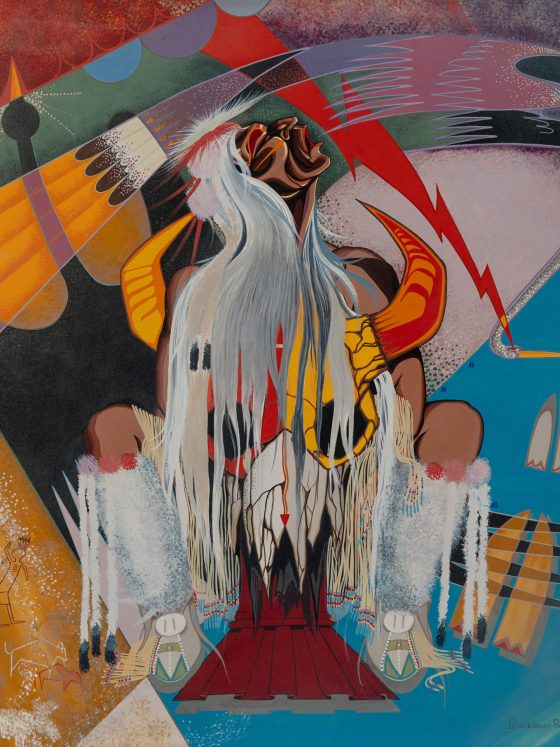
At the center of the exhibition stands a mounted 6-foot-tall bull bison, allowing visitors to experience the scale and presence of the massive animals up close. Additional displays include Native American art and tools, fossils, historical artifacts, currency and cultural objects that demonstrate the bison’s enduring role in American life.
The exhibition is organized into three sections. The first focuses on ancient bison and their longstanding relationship with Indigenous communities before European colonization. The second examines the mass slaughter of bison during westward expansion, including a famous photograph of towering piles of bison skulls that illustrates the scale of destruction. The final section highlights more than a century of restoration work led by scientists, conservationists and Indigenous nations.
The exhibit also emphasizes the ecological importance of bison to North American grasslands and the species’ role in maintaining healthy prairie ecosystems.
Complementing the exhibition are three monumental bronze bison sculptures permanently installed outside the museum’s National Mall entrance. The 125%-scale sculptures — depicting a bull, cow and calf — debuted in March and were created by sculptor Gary Staab. The statues were modeled after specimens collected in the late 1880s by Smithsonian taxidermist William Temple Hornaday, whose early public display of bison on the National Mall helped galvanize support for saving the species from extinction.
Once numbering in the tens of millions across the Great Plains, the American bison population dropped to fewer than 1,000 animals by the end of the 19th century due to overhunting. Conservation efforts have since helped the species rebound to nearly half a million today.
University of Illinois Urbana-Champaign history professor Rosalyn LaPier served as an advisor throughout the exhibit’s two-year development process. An environmental historian and ethnobotanist, LaPier is an enrolled member of the Blackfeet Tribe of Montana and Métis and has been a research associate with the Smithsonian’s National Museum of Natural History for the past decade.
LaPier contributed research, wrote and edited exhibit text and helped shape the stories and artifacts featured throughout the exhibition. She also authored a panel describing the Blackfeet creation story of the bison and reviewed the exhibit’s short films.
“You cannot tell the story of the national mammal without telling the story of the Native communities that relied on bison for thousands of years,” said Kirk Johnson, Sant Director of the National Museum of Natural History. “We are grateful to Rosalyn for sharing her expertise to help us explore the enduring relationship between bison and Native communities in ‘Bison: Standing Strong.’”
LaPier also appears in one of the exhibit’s videos, filmed at Urbana’s Meadowbrook Park overlooking tallgrass prairie. In the film, she discusses the spiritual, ecological and cultural relationships Indigenous peoples have maintained with bison for millennia, even during the century when the animals were largely absent from the landscape.
“The religious practices continued. They still had their rituals and creation myths around the bison even though the physical bison were not there for 100 years,” LaPier said. “Even though there’s this absence, there’s still a presence of bison because people continued the religious practice that was centered around bison.”
She said one of the exhibit’s central messages is that conservation and collaboration can reverse even catastrophic declines in wildlife populations.
“You can bring an animal back from near extinction,” LaPier said. “The story of bison shows that we got a lot of people together from all walks of life who wanted to save this animal and they worked in collaboration to bring it back. It’s an important story for people to recognize.”
LaPier also hopes the exhibit inspires visitors to experience living bison in natural landscapes for themselves.
“There are several places in Illinois where you can see bison living in a natural landscape, and they are beginning to change and impact it and make it a healthier place,” she said. “Hopefully people can go see our national mammal.”