
Alt.Native: The shape of a shapeshifter
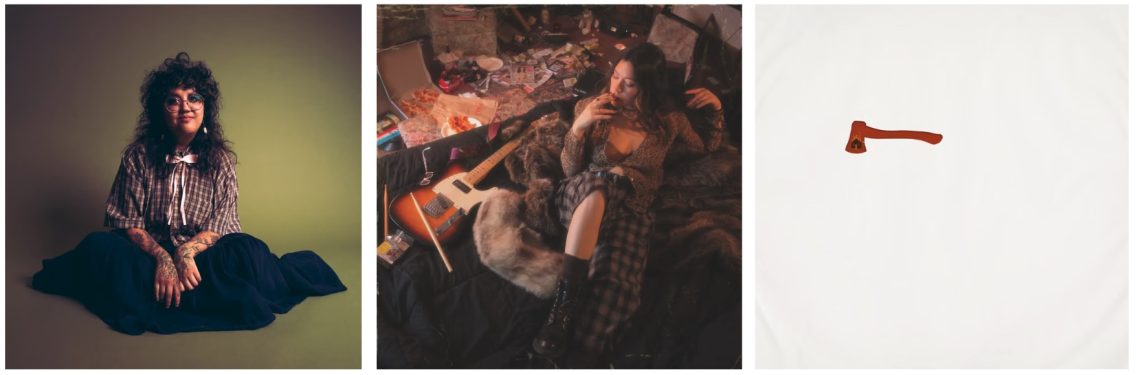
TwoLips reveals her full range on DIE ON EVERY HILL
Lots of words come to mind in describing TwoLips’ nonstop run of singles and collaborations over the past year-and-a-half. Twitchy. Fierce. Unpredictable. Each describes an aspect of the Los Angeles-based Afro-Indigenous singer as an artist. None describes her fully.
By: Brian Edwards, Special to Fry Bread

DIE ON EVERY HILL, the debut album from TwoLips — Kianah LongChase, a Black artist and enrolled member of the Native Village of Eklutna — finally brings those pieces together. One reviewer calls her a “sonic shapeshifter” — it’s the best description I’ve come across.
The 19-track album, which dropped July 24, opens with “RESISTANCE,” a spoken-word manifesto punctuated by a warrior declaration: “Your existence is resistance.” From there, LongChase moves through punk, rap, industrial, darkwave, metal and electronic music with remarkable confidence. She raps. She sings. She preaches.
If one song on the album captures the breadth of her range, it’s “let it change you.” It sounds like it could have been the theme to a late-1960s James Bond film. Instead, TwoLips layers references to ceremony, “the big clock in the sky,” genocide, Standing Rock and water protectors into something that’s part prayer, part warning.
“Black Native” is a blistering response to identity policing and Pretendians. “PPL R” turns inward with questions about belonging. “VI0LENCE,” “HONEY METAL” and “OVERFLOW” each stake out different musical territory while remaining unmistakably hers. Throughout, longtime collaborator and producer Lightfoot gives the songs room to mutate without losing their center.
What impresses me most isn’t all the genre-hopping. It’s the cohesion. LongChase’s background in visual art, dance and circus performance may explain why DIE ON EVERY HILL feels less like a collection of songs than a multidisciplinary performance translated to mixtape. Every left turn feels intentional. For me, that’s what makes the album work.

William Prince teams with Nathaniel Rateliff on ‘Change’
William Prince has become one of those artists I check in on whenever a new single drops. Not because I’m expecting a reinvention, but because I’m expecting another well-written song. More often than not, that’s exactly what arrives. Rather than reinventing himself, Prince keeps finding fresh ways to write about the same enduring questions: family, faith, loss and hope.
His latest, “Change,” pairs the Peguis First Nation songwriter with the Americana singer-songwriter and frontman of Nathaniel Rateliff & the Night Sweats. Their voices don’t compete for attention; they reinforce the song’s central idea that life keeps moving, whether we’re ready for it or not.
“Change” follows “Lighthearted,” another post-Further From the Country release. The album is also a nominee for Alternative Country Album of the Year at this year’s Canadian Country Music Association Awards.

In Heavy Rotation:
Ottawa-based Indigenous, Asian and queer songwriter Mars Aspen pairs conversational vocals with a steady cycle of acoustic guitar strumming. An unexpected minor-key vocal pivot transforms what first sounds like a gentle folk-pop song into something quietly heartbreaking. Fans of Lizzy McAlpine will feel right at home with Aspen’s February EP baby teeth.
Crunchy guitars and a wall of sound give “Twenty Seven” its punch, but it’s Anishinaabe artist Thea May’s raspy, urgent vocals that leave the bruise. Built around the familiar refrain, “Only the good die young,” it’s an elegy you can shout along to.
“Rainwater and Whiskey” — Logan Staats
A single sustained organ chord opens the door before Mohawk singer-songwriter Logan Staats’ voice arrives like an old soul record — part church, part Sam Cooke. From there, the song keeps building, layering guitars, horns, drums and gospel-style backing vocals into a slow-burning anthem.
The Alt.Native column isn’t about a genre. It’s about Indigenous artists making great music — whatever that music happens to sound like. If there’s someone I should be listening to, send me a note at bedwards@indiancountrymedia.com.