
Ingredients: Curator Dare Turner
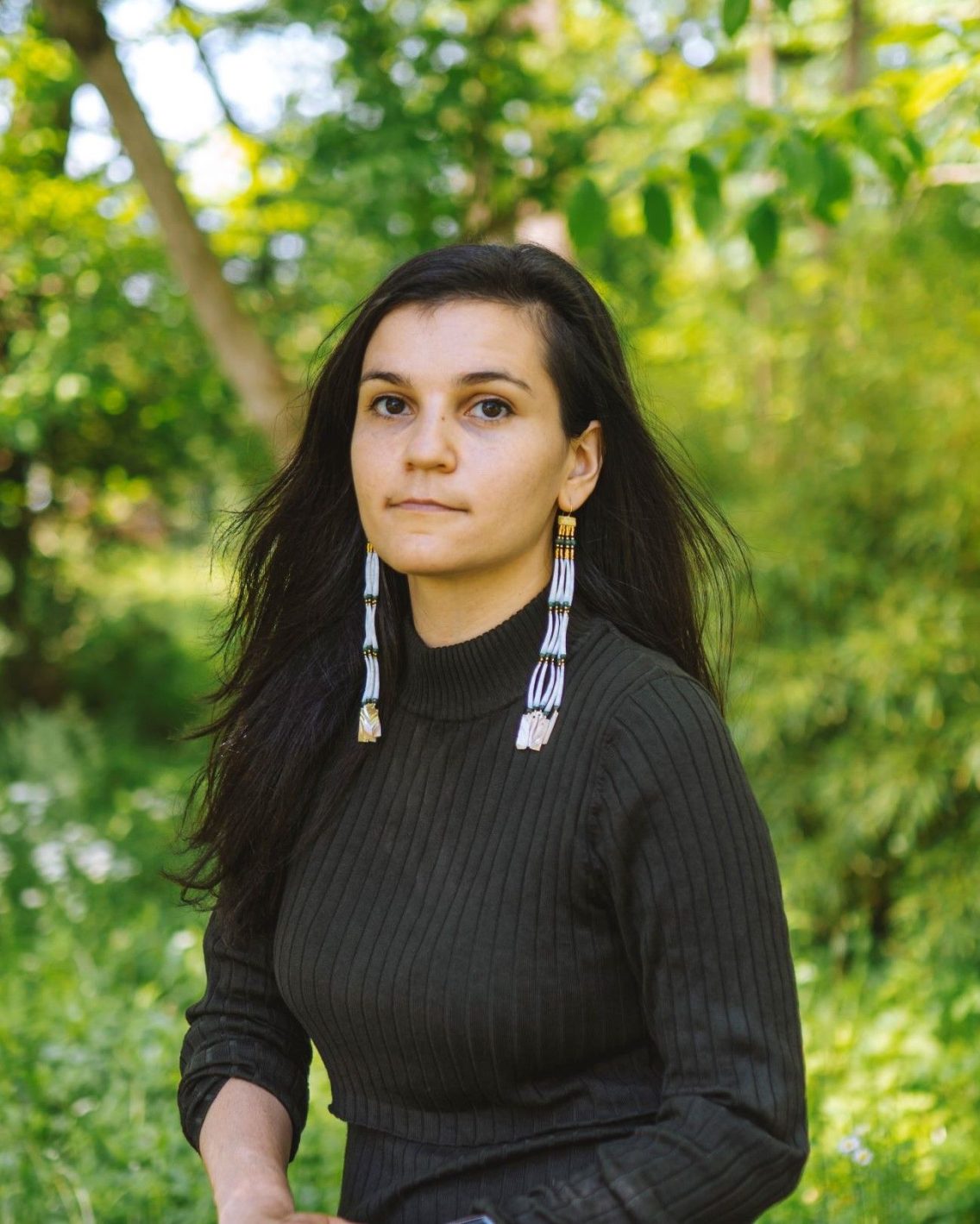
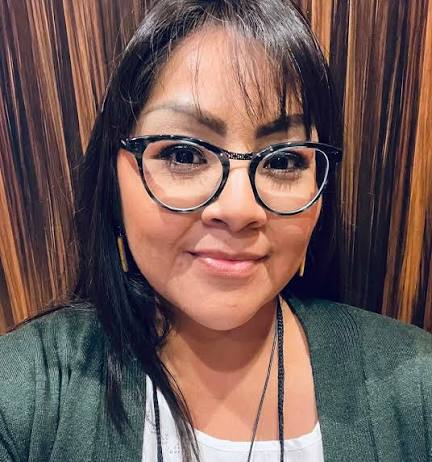
Dare Turner (Yurok) is a curator of Indigenous Art at the Brooklyn Museum, where she cares for over 13,000 Indigenous artworks. Fry Bread spoke with Dare to talk about her recent projects and the importance of accountability and community perspectives.
This interview has been edited for length and clarity.
How do you feel being Brooklyn Museum’s first ever full-time curator of Indigenous Art? Was that a position they created and then brought you in for? Or is it something that you were a part of creating?
The museum had a part-time Native art curator up until the mid-2010s. Once that person departed, they reimagined the role and then put it out online. I saw it and really felt like this could be a great opportunity to steward a large collection. I care for over 13,000 Indigenous artworks, and I really see those as relatives that I’m accountable to—the objects themselves and their communities, the makers who crafted them and their descendants that live today.
I saw this as a unique opportunity to ensure that Native presentations or art exhibitions happen in New York…Prior to my appointment here, I was in Baltimore at the Baltimore Museum of Art, which was a wonderful institution as well, but their collection is so much smaller and it was just great to sort of level up and be able to take on such a big responsibility and really be accountable to my community.
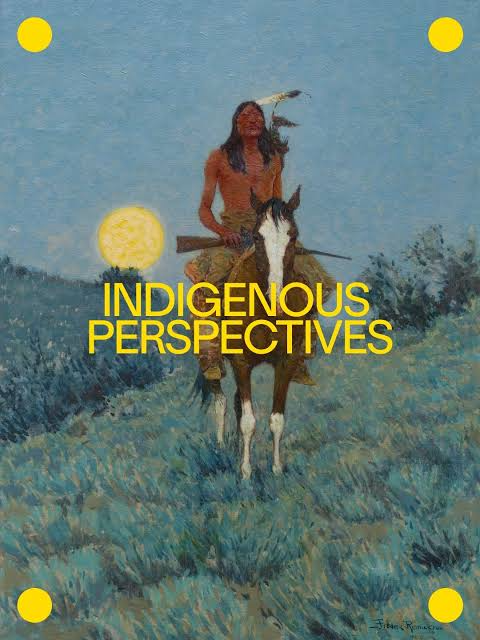
Can you tell us more about the creation of the Indigenous Perspectives Audio Guide?
This year we’re rolling out several different audio guides that are reflecting on the history of the United States on diverse topics ranging from civil rights to the women’s movement. There was a desire across the institution to have a dedicated Indigenous platform where we can tell community stories or share Indigenous perspectives on a wide variety of works.
Something that I found really interesting in this process as we invited numerous Indigenous knowledge keepers based in New York and elsewhere whose communities have ties to New York historically…It was surprising to me that all of the Indigenous participants chose to speak about non-Indigenous artworks. So, a lot of times settler artworks, like paintings, that depicted sites that were meaningful to their tribes.
An example of that is the beadwork artist Grant Jonathan, who is Tuscarora, decided to speak about a painting of Niagara Falls. He grew up near Niagara Falls and was able to offer such a rich perspective and take on that work.
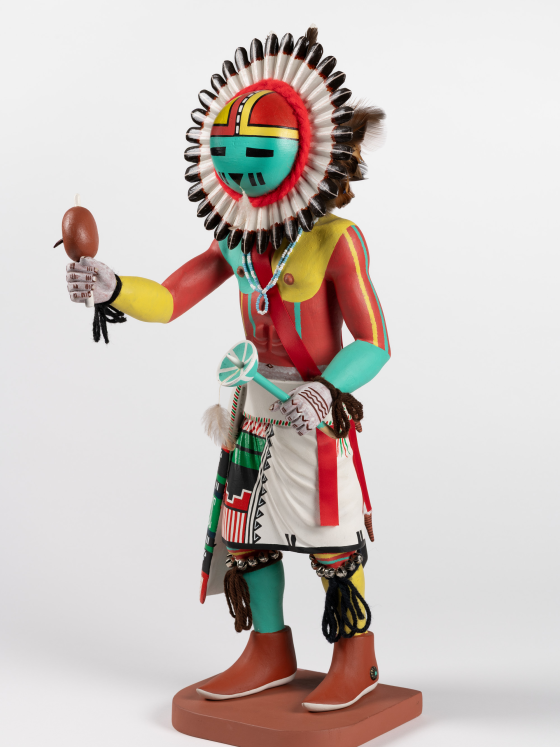
This is something that isn’t just like a one and done project. I think we can really iterate on that over time, and we’ve expanded the initiative as well, our sort of Audio Tour initiative to also include our dedicated tour for the Hopi Kachina Dolls: Blessings for a Balanced World special exhibition. So, this is an important area that we’re expanding upon.
Why is it so important for museums to continue including Indigenous perspectives that de-center colonial perspectives?
I think there’s a lot of ways to access colonial perspectives, and there aren’t as many platforms out there that a wide variety of audiences can really access Indigenous knowledge systems and the voices of Indigenous leaders, be them artists or language leaders. I think that it’s important to tell native stories on Native terms as well, and a lot of times, those don’t center on colonization. They focus on value systems that are intrinsic to their respective communities, apart from colonial legacies. I think that it’s important to offer a platform where a lot of audiences can access this content.
Was there anything else that you learned or a piece of art that you were familiar with in the exhibit where someone brought a unique perspective that you wouldn’t have expected?
Another really cool element of the audio tour is we actually commissioned a brand new sound composition from the White Mountain Apache artist Laura Ortman. In our galleries, one of the most prominent artworks is this painting by Albert Bierstadt, “A Storm in the Rocky Mountains, Mt. Rosalie.” That’s a painting where I see enormous groups of school children huddled around it, so I know there was a lot of audience engagement with that piece. Laura chose to create an audio piece in response to it that’s about two minutes long and invites people to do some closer looking and really take in this painting in a new way…I listened to this track multiple times sitting in front of the work, and I had never fully appreciated the painting until it was accompanied by the soundscape that Laura Ortman put together. So, it was surprising that I could see new things and experience an artwork that has been on view for many, many years at the Brooklyn Museum in a totally fresh way.
Transitioning to your work with the Hopi Kachina exhibit, co-curator Colleen Lucero mentioned that you were able to go to a few of the Kachina doll ceremonies. How did that shape how you approached the exhibit, and why do you think it’s important for curators specifically to engage directly with the communities that their exhibits represent?
As a curator, I always want to move beyond just a role in a museum. When I work with artists and when I work with communities, I want to be a full person, not just a curator. A big piece of that is going out to the community and meeting with them, kind of understanding their priorities, their pace of life, the value systems that inform everything from cultural traditions to artistic practices today.
For the Hopi Kachina Dolls exhibition, going out to the Hopi reservation with my Brooklyn Museum co-curator Nancy Rosoff was really critical to understanding the relevancy and enduring importance of this profound tradition that shapes the lives of so many Hopi people and non-Hopi people, too…One trip, I brought my son, Sherwin, who was, I guess, five at the time or six, and he actually attended one of these dances… It was so wonderful to have my family really involved and to have the personal experiences shaping the way we get our heads around this project.
Can you tell us what you’re most excited for with the Kachina doll exhibit?
I think the thing that’s most exciting to me is charting new territory with how the Kachina doll tradition is shared with the broader public. Up until now, there’s been a real emphasis on carvers, carving styles, and collectors, and through refocusing the way we talk about the tradition through the perspectives of girls and women, we’re able to access totally new knowledge to the broader public. Our exhibition traces the gifts that infants receive, girls receive, teens and adult women. And I think that by understanding this tradition through that lens, we’re honoring Hopi ways of knowing, Hopi cultural values, and making sure we’re not violating any cultural protocols.
I was also really excited to bring in a lot of contemporary Hopi women’s artworks and voices into the gallery. We have a video component where we had gone out on a separate trip out to Hopi and conducted many different interviews with artists whose work would be featured in the show, so it’s great to surface their perspectives in the video, in audio tour stops, as well as within the labels themselves.
What is some of the feedback that you have received in preparation for the exhibit?
We partnered very, very closely with the Hopi Cultural Preservation Office, who collaborates, or sort of runs, programs with Hopi elders. They looked at every item on our checklist, they read our book. We were able to create a catalog for this exhibition, and they essentially approved every component. We knew that what we were putting into the galleries was approved culturally. Nothing is sacred, nothing is problematic from a sort of traditional perspective.
We’ve visited with a lot of folks. We did presentations, we corresponded at great length with community members to ensure that they felt it was appropriate…We also partnered very closely with all of the different women that I’ve spoken about, so the artists and knowledge keepers, women that invited us into their homes to show their artwork, talk about their process, and also other women who weren’t artists that were able to share traditional knowledge with us where appropriate or perspectives on what it was like to grow up Hopi.
How do you recommend that non-Indigenous people or visitors to the museum can further immerse themselves in Indigenous art and perspectives?
I so often think about the museum, but there’s a much broader world out there where folks of all walks of life can access Indigenous material culture, arts and culture. One thing that comes to mind is powwows. Those are intertribal gatherings where people from many different nations or many different tribes gather. Sometimes they compete in different dances, and other times it’s just more of like a fun community gathering. I think those are great opportunities for non-Indigenous folks to just get a wide exposure to a lot of different tribal communities, eat food, things like fry bread, you can access vendors, you can buy beautiful artworks for you to either wear, like jewelry, or to display in your home… If I have one hot tip for people who want to move beyond the museum, obviously I would want to prioritize museum visiting, but if people want to move beyond the museum, attending powwows is a great way to gain access to culture in a respectful and totally appropriate way.
What are you working on next with the Brooklyn Museum?
We have some projects that aren’t ready for public consumption yet, so keep an eye on what we’re up to. We are working towards a complete renovation of some galleries in the museum. After that renovation, we’ll be debuting a gallery dedicated to Native arts and culture. In the meantime, a lot of our Native collection or many works are on view in our current installation of the American Wing called “Toward Joy: New Frameworks for American Art.” There are constant rotations happening in those spaces to keep the galleries fresh, keep our audience engaged.
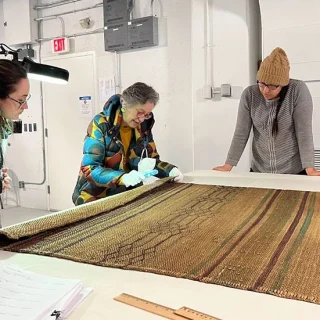
In the meantime, a lot of collection care, too, because we have such a vast collection, there is a lot of research and a lot of work that can happen in storage or in our files to make sure that any knowledge that community members share outlives a particular individual and makes it into the record if they want those pieces of knowledge to be made public, so it’s a constant process.