
Fowler Museum explores Ifugao rice culture and resilience in new exhibition
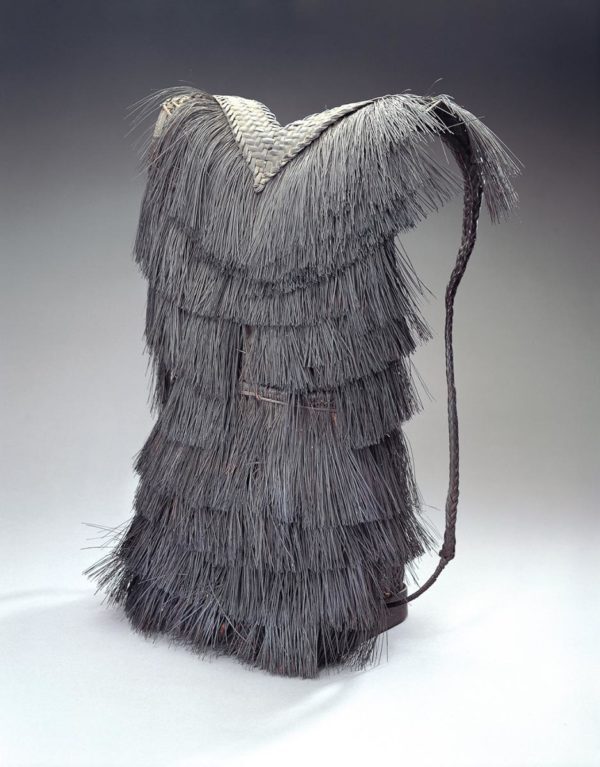
A new exhibition at the Fowler Museum at UCLA is turning attention to the deep cultural and environmental significance of rice farming in the northern Philippines, offering visitors an immersive look at Indigenous knowledge systems shaped over centuries.
Opening April 12 and running through January 2027, Mountain Spirits: Rice and Indigeneity in the Northern Luzon Highlands, Philippines focuses on the Ifugao people, whose rice terraces and agricultural practices have long sustained both daily life and spiritual traditions. The show arrives at a time when conversations around climate change and Indigenous land stewardship are gaining urgency, and it positions Ifugao traditions as a model of long-term ecological balance.
“The rice terraces are agricultural structures that express Ifugao identity, values, and
responsibility,” exhibition curator Marlon Martin, chief operating officer of the Save the
Ifugao Terraces Movement (SITMo), said in a release. “They are living heritage, shaped by community and
long-standing relationships with the land. This exhibition demonstrates that the terraces
persist not through preservation alone, but through continued use across generations.”
Rather than presenting rice simply as a staple food, the exhibition frames it as a sacred element woven into cosmology, identity, and social structure. Objects on display include carved figures, baskets, textiles, and farming tools, alongside video installations that place these materials within the landscapes and rituals where they are still actively used.
Central to the exhibition are the famed Ifugao rice terraces—some dating back to the 16th century—which were developed as communities moved into mountainous regions in response to Spanish colonization. These terraces, now recognized as UNESCO World Heritage Sites, reflect sophisticated engineering as well as systems of cooperation and environmental management that continue today.
The exhibition is organized into three sections exploring inheritance, spiritual practice, and social hierarchy. Together, they trace how knowledge and responsibility are passed through generations, from farming techniques to ritual leadership. Curators also highlight newer archaeological research that challenges outdated ideas of the terraces as relics of an isolated past, instead emphasizing their role in resistance and adaptation.
By combining historical artifacts with contemporary perspectives, the exhibition aims to present Ifugao culture as living and evolving. Museum leaders say the goal is to move beyond romanticized narratives and encourage visitors to reconsider how relationships between land, culture, and community are sustained over time.