Ponca artist Sarah Rowe named first recipient of $50,000 Native Neon residency
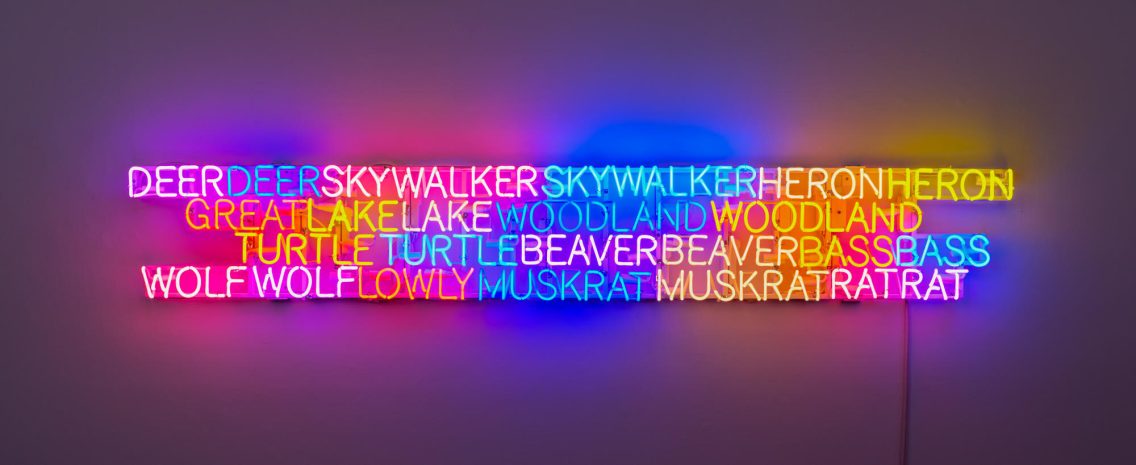
A Nebraska-based Indigenous painter and installation artist has been selected as the inaugural resident of a first-of-its-kind program pairing Native artists with access to neon fabrication — a medium that has historically required institutional backing or commercial relationships most Indigenous artists lack.
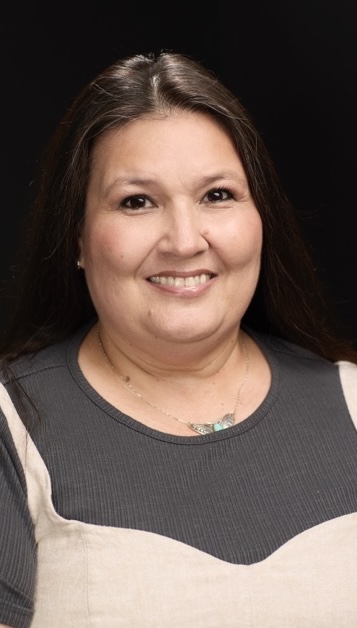
Sarah Rowe, a member of the Ponca Tribe of Nebraska, was chosen from a competitive national pool to receive the Native Neon residency, a joint initiative of the Walker Youngbird Foundation and Lite Brite Neon Studio valued at $50,000. The selection panel was led by Primary Advisor Marie Watt of the Seneca Nation.
Rowe will spend 7–10 days at Lite Brite Neon Studio in Kingston, NY this fall, receiving a $10,000 stipend along with fully funded fabrication, materials, studio time, and technical instruction. She will retain full ownership and intellectual property rights over the finished work, which will be presented publicly upon completion.
Based in Omaha, Rowe is known for large-scale, immersive work rooted in the energy of the Heyoka — the sacred clown figure of the Lakota tradition — using humor, satire, and vibrant color to challenge perception and invite engagement. She had not previously worked in neon, a core eligibility requirement of the program, but her practice is already deeply engaged with questions of light, scale, and spatial transformation. Recent projects include Starseeds, a mural spanning 15 grain silos and 27,000 square feet across Nebraska, and Water Ledger, a solo exhibition at the John Michael Kohler Arts Center featuring a 60-foot animated ceiling and live collaborative soundscape.
“Neon is bold and playful by nature. My work operates similarly, embodying a sense of curiosity with trickster spirit at its center,” Rowe said. “The idea of drawing with light is intriguing and new to me.”
Watt praised the selection, noting that fabrication costs are a real obstacle for artists working in materials like neon. “The Native Neon residency brings together two organizations doing important work not just to support artists, but to bring about social change,” she said.
The Walker Youngbird Foundation, a Native-led nonprofit, created Native Neon to address the gap Indigenous artists face in accessing both institutional infrastructure and specialized fabrication resources. The program is open to Indigenous artists across North America.