
Ingredients: Laura Walkingstick helps us heal, with art & cornhusk dolls
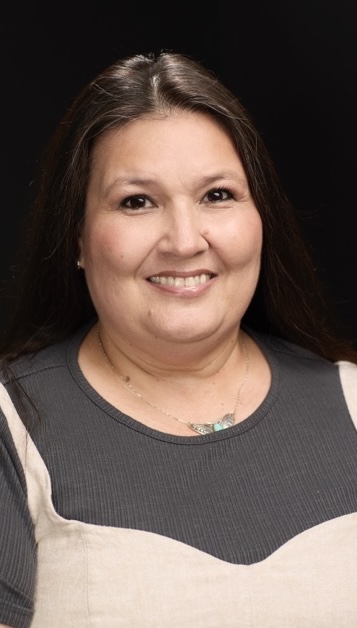
Eastern Band Cherokee artist Laura Walkingstick transforms personal history into healing art, using storytelling, cornhusk dolls, and community workshops to inspire resilience and connection. Fry Bread chatted with her about her creations, life, and how, as she says, we’re Indigenous people–we tell stories.
This interview has been edited for length and clarity.
Fry Bread: Tell us about yourself and how Rez Dog Art Studio began.
Laura Walkingstick: I got my bachelor’s in studio arts. It’s concentration with ceramics. I realized that the narrative stories that I was telling through my art end up also revealing a lot with generational trauma, and that’s how I got interested in doing my Master’s in art therapy and counseling, more self-exploring as far as the traumas and things like that.
I planned to return home to work as an art therapist, but life changed. My father developed aggressive cancer. He was my supporter growing up, taught me art, and before he passed he told me, ‘I wish you would keep making art.’ He felt like if I wasn’t making art myself, that I was watching people make art instead.
He died just before COVID, and during COVID it just kept thinking what his wishes were and one day, I just up and quit my job. And it was like ‘I am going to teach art. I’m going to teach others how to use art in a therapeutic way without doing the therapy, but make it fun.’
Fry Bead: Why did you name your business Rez Dog Art Studio?
Laura Walkingstick: After I lost my dad, my little dog had puppies, and I grieved for my dad, but the puppies were my healing. I decided, when I quit my job and decided to start a business, I called it Rez Dog Art Studio.
My logo includes woodland flowers because we live in one of the largest woodland areas that produce a lot of medicinal plants and they’re all around us. The dogs represent healing. I wanted it to be kind of cute and fun, while reflecting what I was going through.
Fry Bread: How has your personal story shaped your artwork?
Laura Walkingstick: I didn’t even realize that the things in my life I had gone through were trauma. As I learned more, I recognized patterns repeating through generations, and I didn’t want to see this stuff repeated. A lot of the work that I was doing was learning about my family, but telling stories through my art.
A lot of my early work was a lot of corn husk dolls. Then I went to ceramics and was still working making dolls and things like that. I always wanted to work towards creating something very realistic, and I remember a professor telling me, because I kept saying my work looks childlike, maybe that’s your calling. And I didn’t understand that. I was kind of mad. But I understand it now because it was more the trauma that I started realizing about my work. And I started telling stories through my work without revealing the vulnerable things.
There was some trauma in my life such as almost being kidnapped when I was younger and then being sexually abused. I eventually realized that’s where the doll making connected me to that younger person where the trauma happened.
So I thought it was important… if I could help others and show them how they can use art to tell their stories and to heal, find ways to heal themselves.
Fry Bead: Why are dolls such an important part of your work?
Laura Walkingstick: I realized that was my niche, was telling stories, which is what we Indigenous people do—we tell stories.
When I was growing up, I loved Barbies, but I didn’t relate to the Barbies that I had because they had blonde hair. They were perfect and in a Barbie life–Malibu house and car. It was our vacations that my family took us on that I saw Diné dolls and I thought, wow, they’re dressed traditionally and that gave me hope that I could find dolls that I could relate to.
I also realized doll making connected me to my mother. I used to watch my mom use all her scraps to clothe my dolls. She never taught me directly, I just kind of watched.
Today, I tie my cornhusk dolls to Cherokee teachings about the First Corn Mother. I also talk about the history of doll making and how around the world dolls are used medically, ceremonially, for healing.
I like to try and bring that back and let people see that dolls aren’t just playthings, but they’re healing.
Fry Bread: Your dolls don’t have faces. Why?
Laura Walkingstick: When I was playing with Barbies, I remember them always smiling… and not being able to imagine the things that were happening to me while she’s smiling. I like the no-face dolls because I can imagine happy… and they still have a lot of character without any faces, by the body, by the way you shape the body, and the clothing, or through flowers, colors, or what the doll is holding.
When I teach my workshops… I like to allow people, instead of saying, ‘Make a doll like mine,’ I teach them… to make the doll their own.
Fry Bread: What happens in your workshops?
Laura Walkingstick: The regular cornhusk doll classes last about two hours. I talk about the history of doll making and how I got started. I provide as much materials for them to create their doll, and I encourage everyone to make something personal.
I do offer healing workshops, and it’s a little different. It’s a little longer, and it involves putting things inside the doll, and it’s more for intention and personal healing.
I get people that are very happy when they leave and tell me how much they enjoy the class.
Fry Bread: What do you hope people take away from your art?
Laura Walkingstick: The footprint that I would like to leave is to be able to teach people… how to use art to tell stories.It doesn’t even have to be doll making. It could be painting, journaling, or anything. It’s learning to create intention and having your own story about why you’re creating what you’re creating.
I want them to either have, like, ‘Oh, I remember… I had a grandmother who wore her hair like that,’ or something—a relation to it.
Fry Bread: Where can people find you and your workshops?
Laura Walkingstick: I do workshops with tribal programs. I work with schools. I work with museums. With my therapeutic background, I work with elders. I’ve also worked with recovery groups. I’m actually trying to get the word out if there’s any tribal mental health programs that would like to hire me to come out and teach a workshop.
I also created a youth workshop called ‘From Husk to Heroes,’ helping young people recognize that, like superheroes, they can discover their own strengths. It’s about finding our own abilities.
Find Laura at the Stecoah Valley Center Arts in Stecoah, NC. Find her dolls at Qualla Arts and Crafts, or the Museum of the Cherokee Indians. Follow her on Facebook and Instagram.