
Alt.Native: New music from Ken Pomeroy, LOV, Julia Keefe and RematriNation
Recent releases from Native and Indigenous artists working across jazz, folk, punk, soul, indie rock and farther corners of the musical landscape.
By: Brian Edwards, Special to Fry Bread
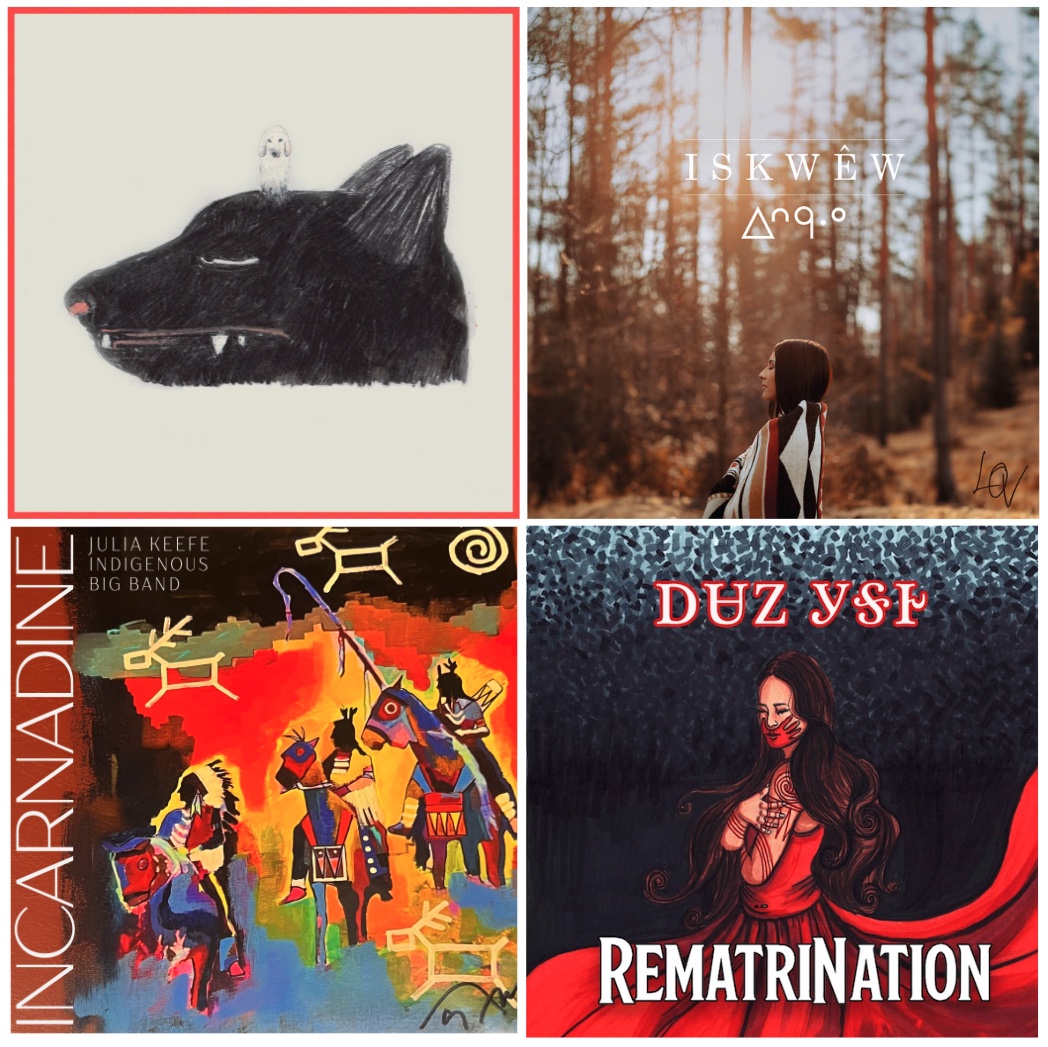
“Look at Miss Ohio” / Tonight’s News (Aug. 2026), Ken Pomeroy
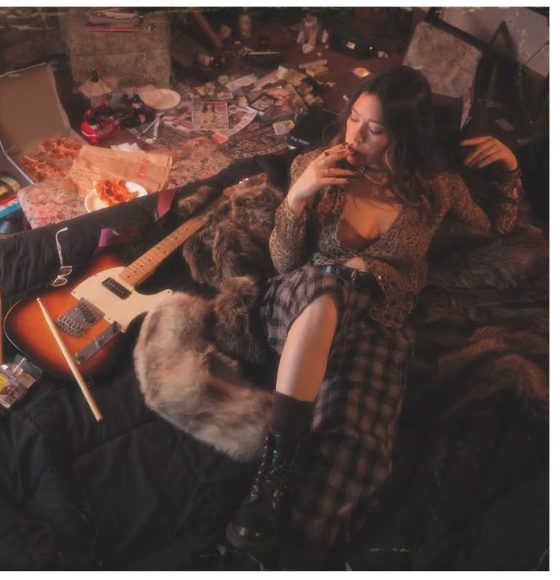
Cherokee singer-songwriter Ken Pomeroy released a restrained, beautifully observed cover of Gillian Welch’s “Look at Miss Ohio” last week — stripped down, unhurried and emotionally alert without trying to overpower the original. She sings the song with the kind of calm precision that lets its loneliness and uncertainty slowly surface rather than announcing it all at once.
The single is the first release from Tonight’s News, an EP due out in August 2026 that pulls together a revealing lineage of Pomeroy’s influences: Gillian Welch, Woody Guthrie, John Denver, Jackson Browne and Bob Welch, alongside Pomeroy’s own “Bound to Rain.” Recorded live in a single day in Chicago with producer Tom Schick and no overdubs, the project offers a snapshot of the songwriters and records that shaped Pomeroy’s musical instincts.
“Can I,” / Iskwêw (June 2026), LOV
Poundmaker Cree Nation artist LOV continues building toward her June 13 debut album Iskwêw with “Can I,” a smooth neo-soul single rooted in warmth and self-awareness rather than oversized drama. Working with Montréal producer Connor Seidel, LOV leans into soft UK-soul textures, understated grooves and smoky vocals that keep the song intimate without becoming fragile.
The writing is conversational and grounded, while the production leaves enough space for her voice to carry the emotional weight. Across earlier singles like “Mama,” “Matriarch” and “Relate,” LOV has steadily built a sound centered on womanhood, independence and matriarchal strength. “Can I” fits naturally into that arc.
Incarnadine, Julia Keefe Indigenous Big Band
Nez Perce vocalist Julia Keefe has spent years pushing against one of jazz history’s quiet omissions: Indigenous musicians. Incarnadine, the debut release from the Julia Keefe Indigenous Big Band, feels like the fullest realization of that work so far — not as museum preservation, but as living, breathing large-ensemble jazz. The record dropped on May 8.
Keefe, praised by The New York Times as “a songbird of a jazz vocalist,” leads a 16-piece ensemble made up entirely of Native and Indigenous musicians from across North America. The album moves fluidly between swing tradition, Indigenous composition, political memory and modern orchestral jazz. Abenaki composer Mali Obomsawin’s “Wawasint8da” transforms a Jesuit-translated hymn into something searching and unresolved, while Diné trumpeter Delbert Anderson’s DDAT Suite honors Navajo code talkers and sacred landscapes with real compositional inventiveness.
What’s striking is how Incarnadine balances historical weight with sheer musical momentum. This is fully realized big band music — muscular, elegant and alive, with enough confidence to let the arrangements speak for themselves.
“Nothing New Since 1492” / ᎠᏌᏃ ᎩᎦᎨ (The Red Dress), RematriNation
Writing this just after the Eurovision finals — where symphonic rock and theatrical metal once again took over one of the world’s biggest television stages — I kept thinking about RematriNation’s “Nothing New Since 1492.” Released in February as the lead single from the trio’s recently released album, ᎠᏌᏃ ᎩᎦᎨ (The Red Dress), the song channels some of that same oversized musical intensity into something politically pointed: an Indigenous indictment of historical amnesia, broken treaties and the cyclical shock of mainstream America suddenly discovering what Native people have lived through for centuries.
Led by Cherokee Nation composer and keyboardist Lisa LaRue alongside Juan R. Leõn and Ecuadorian vocalist Carolina Padrón, RematriNation leans unapologetically into symphonic prog-metal scale — cinematic keyboards, crushing dynamics and vocals that swing between operatic grandeur and controlled fury. The song frames current-day American outrage over lost rights, healthcare disruptions and political instability against the much longer Native experience of treaty violations, displacement and institutional neglect. It’s protest music, but also something more theatrical and expansive: Indigenous symphonic rock that refuses to scale down its politics or musical vision.
In Heavy Rotation
Inuk/Mohawk singer-songwriter Beatrice Deer pushes deeper into propulsive indie rock on “Caterpillar,” pairing driving guitars and restlessness with the soaring vocal presence that has made her one of the more interesting contemporary voices from the Arctic music scene … vocalist Gregg Deal (Pyramid Lake Paiute) of punk/spoken-word band Dead Pioneers joins forces with Los Angeles ska-punk veterans The Interrupters for “Never Alone,” a hook-heavy pop-punk crossover that keeps Deal’s sharp-edged urgency intact while propelling both bands toward bigger choruses and faster guitars … Dena’ina and Lakota artist TwoLips — a 2026 First Peoples Fund Native Performing Arts Fellow — turns up the abrasion on “VI0LENCE,” channeling punk, electro-pop and dance floor tension into a track wired directly into resistance, confrontation and survival instinct … Choctaw songwriter Samantha Crain leans into warm, mid-tempo indie rock on “Belly,” turning gratitude and friendship into something lived-in and quietly radiant rather than sentimental.

What I Just Heard Coyote and the Great Rock ’N’ Roll — a three-piece teenage hard rock band from the Apsáalooke (Crow) Nation near Billings, Montana — is the kind of Bandcamp discovery that makes you stop what you’re doing and text somebody the link. Their debut album Gray Skies, White Sails delivers exactly what the band promises — “wild, raw, bareback, garagey Rock ’n’ roll from the fields we know” — with Manny Red Heart’s lead guitar and Shane Yellowtail’s drumming often functioning as co-lead instruments while Corbin Red Heart’s bass keeps everything from flying apart. At different moments, I hear flashes of Stevie Ray Vaughan-style blues-rock guitar playing and the loose, ragged energy of early Nirvana, but mostly the record sounds like a band discovering its identity at full volume — loud, rough-edged and fully committed to the riff.