
University of Guelph marks Indigenous History Month with language revitalization, new recruitment role, and community exhibitions
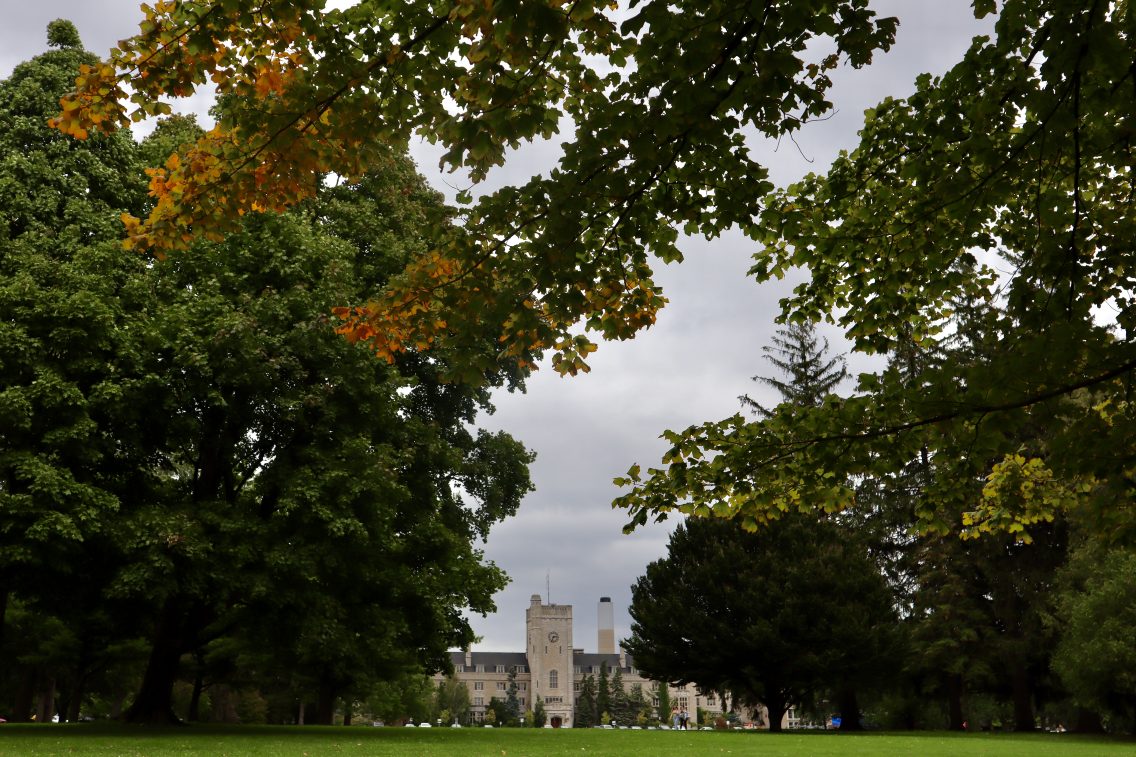
The University of Guelph is marking National Indigenous History Month this June with a range of initiatives spanning campus signage, student recruitment, faculty programming, and community art exhibitions — part of its ongoing commitments under its Indigenous Initiatives Strategy, Bi-Naagwad | It Comes Into View.
One of the more tangible projects taking shape this summer is a redesign of interpretive signs along the Arboretum’s Native Trees of Ontario Loop. The updated signs will incorporate Indigenous art, Anishinaabemowin, and Kanien’keha alongside traditional stories and knowledge about native trees, making that knowledge accessible to visitors year-round. Mi’kmaw artist Kaitlin Gallant, who also designed the university’s Indigenous Initiatives Strategy visuals and its current Orange Shirt Day design, was commissioned for the project. The effort drew on contributions from Indigenous studies faculty, Anishinaabemowin teachers and learners, Elder Theodore Flammand of Wiikwemkoong Unceded Territory, and numerous campus and community collaborators.
The university has also created a new Indigenous Student Recruitment Officer position within its Office of Registrarial Services, a move responding directly to a recommendation in Bi-Naagwad. The role is intended to reduce barriers in the admissions process, build trust with Indigenous communities, and support prospective students through a culturally informed recruitment approach. The posting remains open until June 5.
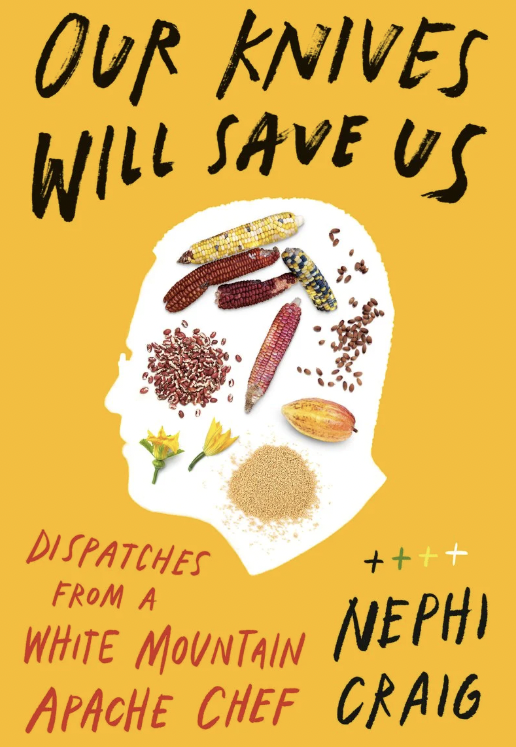
On campus, the McLaughlin Library’s Gryph Reads display for June focuses on Indigenous voices, featuring fiction, memoir, and history exploring identity, resilience, and storytelling. Faculty and staff from First Nations, Inuit, and Métis communities are also invited to connect through the All Our Relations circle, while instructors at all levels can join the Decolonization, Indigenization and Reconciliation Community of Practice for guided discussion and resources.
In the broader Guelph community, two exhibitions offer additional context for the month. At the Art Gallery of Guelph, Inuk artist Couzyn van Heuvelen’s CAMP presents sculptural installations exploring the communal spaces and rhythms that form around harvesting and preparing food in Northern communities. At the Guelph Museum and at sites around the city, Maawnjidyang Maa – We Come Together Here invites visitors to re-story Guelph through Anishinaabe and Haudenosaunee ways of knowing, with the exhibition running through February 2027.
National Indigenous Peoples Day falls on June 21, coinciding with the Summer Solstice.